1 hr 30 min
Shinjuku Sumo Wrestling Show & Challenge Experience
- Entry ticket
- Mobile voucher
- Valid same day
- Free cancellation
Sumo Experience Tokyo Asakusa — Live Shows & Stable Access
Step into the dohyo for ring challenges, witness rikishi in training
Compare fares, pick the fit — all bookings are mobile-voucher and eligible for free cancellation where shown.
1 hr 30 min
1 hr 15 min
2 hr
Choosing the right ticket for your sumo experience tokyo asakusa ensures you get the best view of the dohyo while enjoying cultural demonstrations. Whether you prioritize an intimate view or a premium package, these sumo experience tokyo asakusa tickets provide distinct levels of access to the show.
|
Top pick Standard General Seating |
VIP Front-row Access | VVIP Premium Central | |
|---|---|---|---|
| Price | 16,000 JPY | 20,000 JPY | 60,000 JPY |
| Inclusions | Show and Chanko Meal | Show and Chanko Meal | Show and Chanko Meal |
| View Type | Main viewing area | Front-row view | Central unobstructed view |
| Participation | Audience challenge | Audience challenge | Audience challenge |
| Best for | First-time visitors | Close-up enthusiasts | Premium seekers |
| See tickets & prices |
Verdict: For the best value, most first-time visitors should choose the standard sumo experience tokyo asakusa tour option.
Worth it for cultural immersion seekers
The 16,000 JPY admission delivers an all-inclusive evening: a live sumo demonstration, chanko nabe hot pot meal, and close-range access to wrestlers in traditional mawashi. Compare that to professional tournament seats, which start around 9,000 JPY for upper tiers with no meal and limited wrestler interaction. Here you watch bouts explained in English, learn hand-clapping rituals, and sometimes step into the ring yourself. The chanko hotpot—protein-rich stew that builds rikishi bulk—turns dinner into part of the cultural narrative. For travelers seeking a sumo experience Tokyo Asakusa can deliver without tournament schedules, the package justifies its cost. Tokyo sumo tours rarely combine live action, traditional dining, and English commentary this seamlessly. Drawbacks center on tourist-oriented pacing and the scripted nature of exhibition matches, which lack the tension of ranked competition at Ryogoku Kokugikan. Visitors prioritizing authentic stable morning practice over evening entertainment should weigh alternatives like early-hour keikoba viewings, though those omit the dining and ceremonial components that make this a complete cultural immersion.
Bottom line: If your Tokyo dates miss tournament windows and you want sumo experience Tokyo Asakusa delivers with meal and context included, the 16,000 JPY investment pays off.
They complement each other; most visitors who do both call the professional Grand Sumo Tournament the more thrilling, authentic sport, while our sumo experience tokyo asakusa tours offer a more interactive, beginner-friendly cultural deep dive.
|
Top pick Asakusa Sumo Show |
Grand Sumo Tournament | |
|---|---|---|
| Focus | Entertainment and education | Professional sport competition |
| Availability | Year-round | Periodic (Jan, May, Sep) |
| Audience interaction | High (wrestling/photos) | None (spectator-only) |
| Dining | Chanko meal included | Stadium concession snacks |
| Language support | Full English | Japanese (mostly) |
| Atmosphere | Intimate and scripted | High-energy arena |
| Duration | Approx. 2 hours | Several hours to all day |
| Booking complexity | Simple online booking | Competitive lottery/advance purchase |
| See tickets & prices |
Verdict: Choose the sumo experience tokyo asakusa tour if you want a guaranteed, interactive introduction with food, or opt for the Grand Sumo Tournament if you seek the raw power of elite professional athletes during peak season.
Hand-picked experiences loved by thousands of travelers
1 hour 30 minutes
Free Cancellation
Watch retired professional wrestlers compete inside an authentic former stable, then feast like a rikishi.
1.5 - 2 hours
Free Cancellation
Step inside a working sumo stable to witness wrestlers train for Japan's ancient sport up close.
3 hours
Free Cancellation
Step inside a real sumo stable for live training, rare access, and expert commentary from a sports journalist
2 hours
Free Cancellation
Watch retired sumo wrestlers perform live bouts while dining on wagyu sukiyaki and chanko hot pot in an intimate VIP venue
1 hour 30 minutes
Free Cancellation
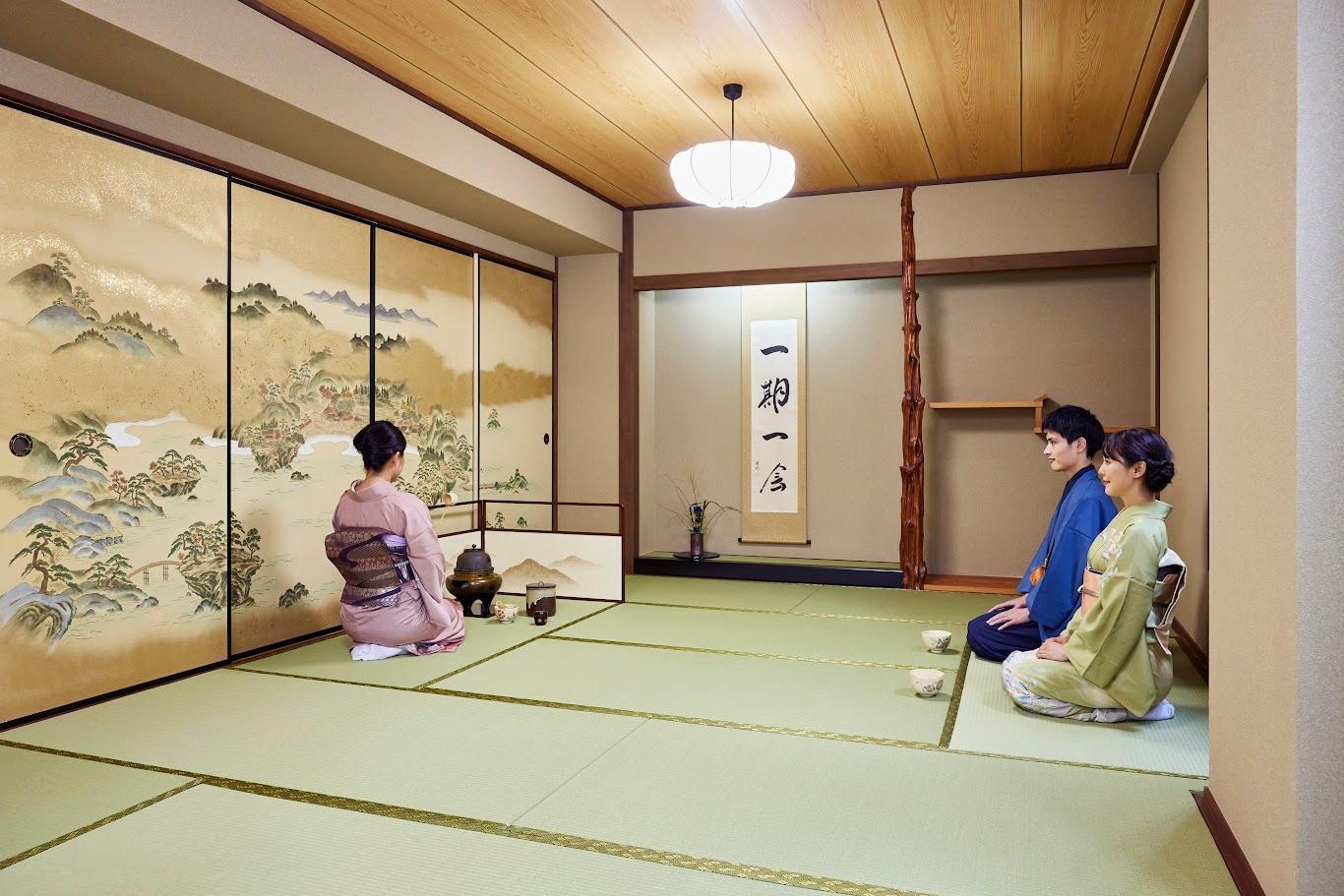
Dress in traditional kimono and practice the art of whisking matcha in a serene tea house steps from the city's pulse
2 hours
Free Cancellation
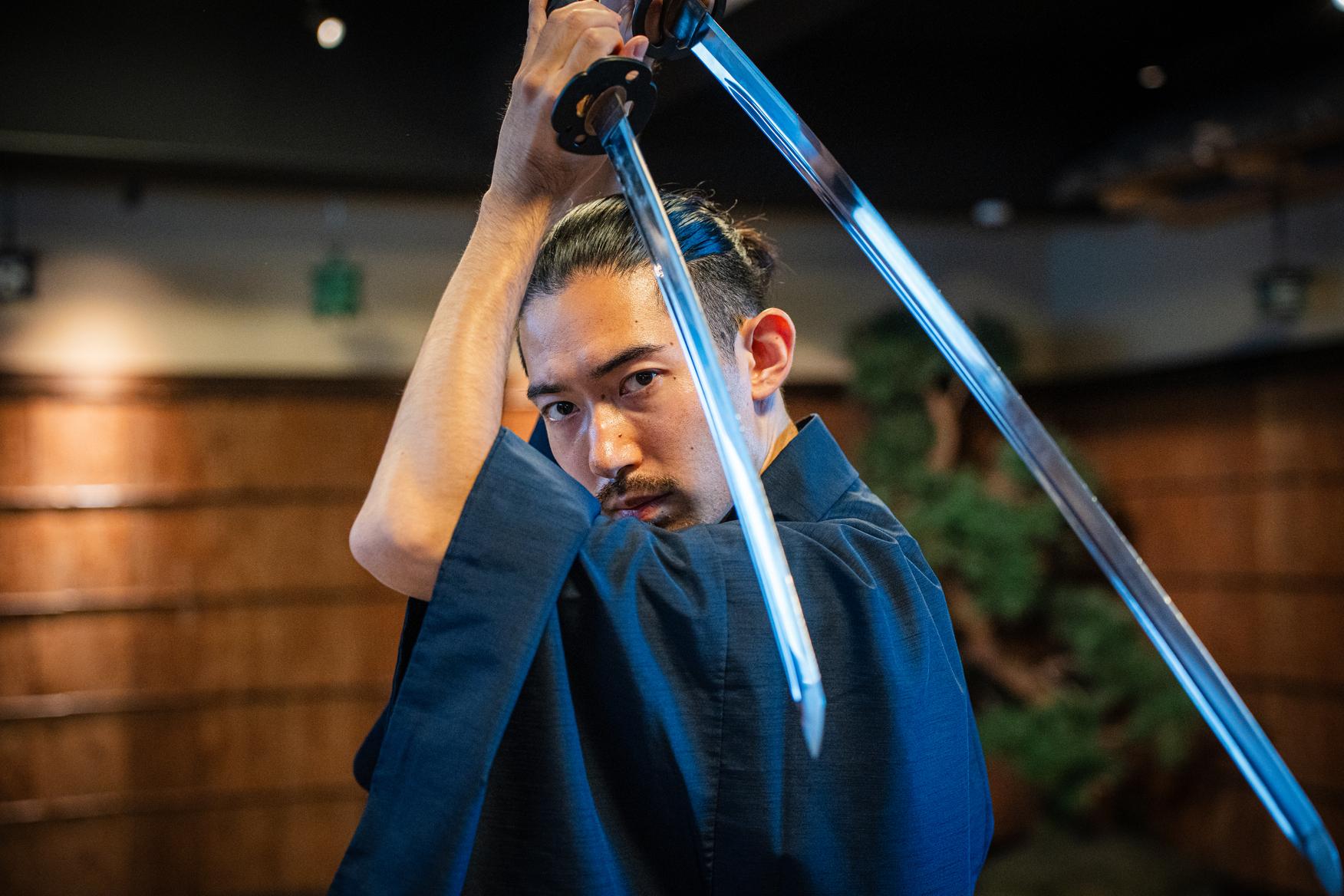
Dress in traditional armor, practice katana techniques, and explore samurai heritage in Tokyo
1.5 hours
Free Cancellation
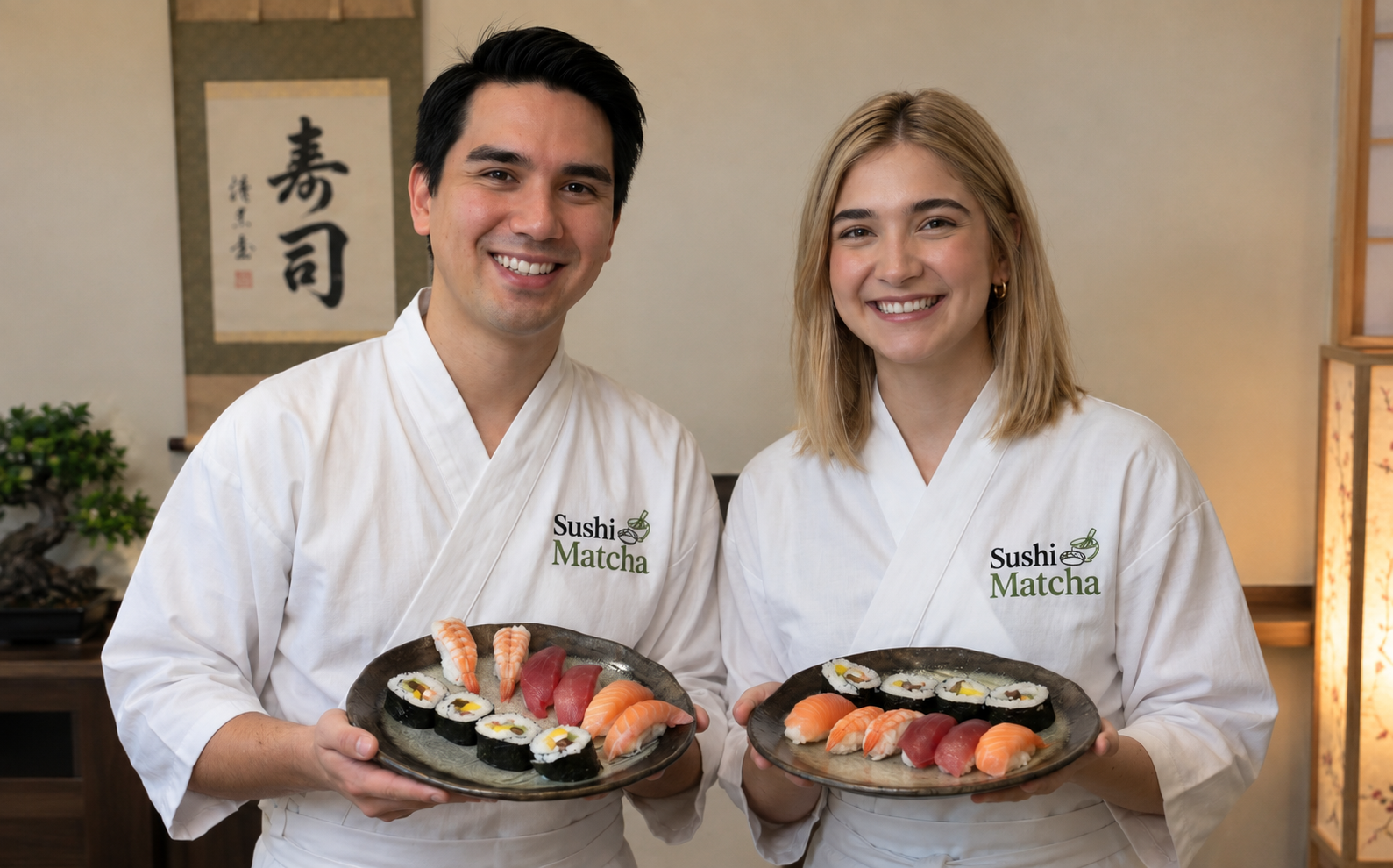
Craft your own nigiri and rolls, toast with traditional sake barrel opening, and whisk matcha in central Tokyo.
1 hour
Free Cancellation
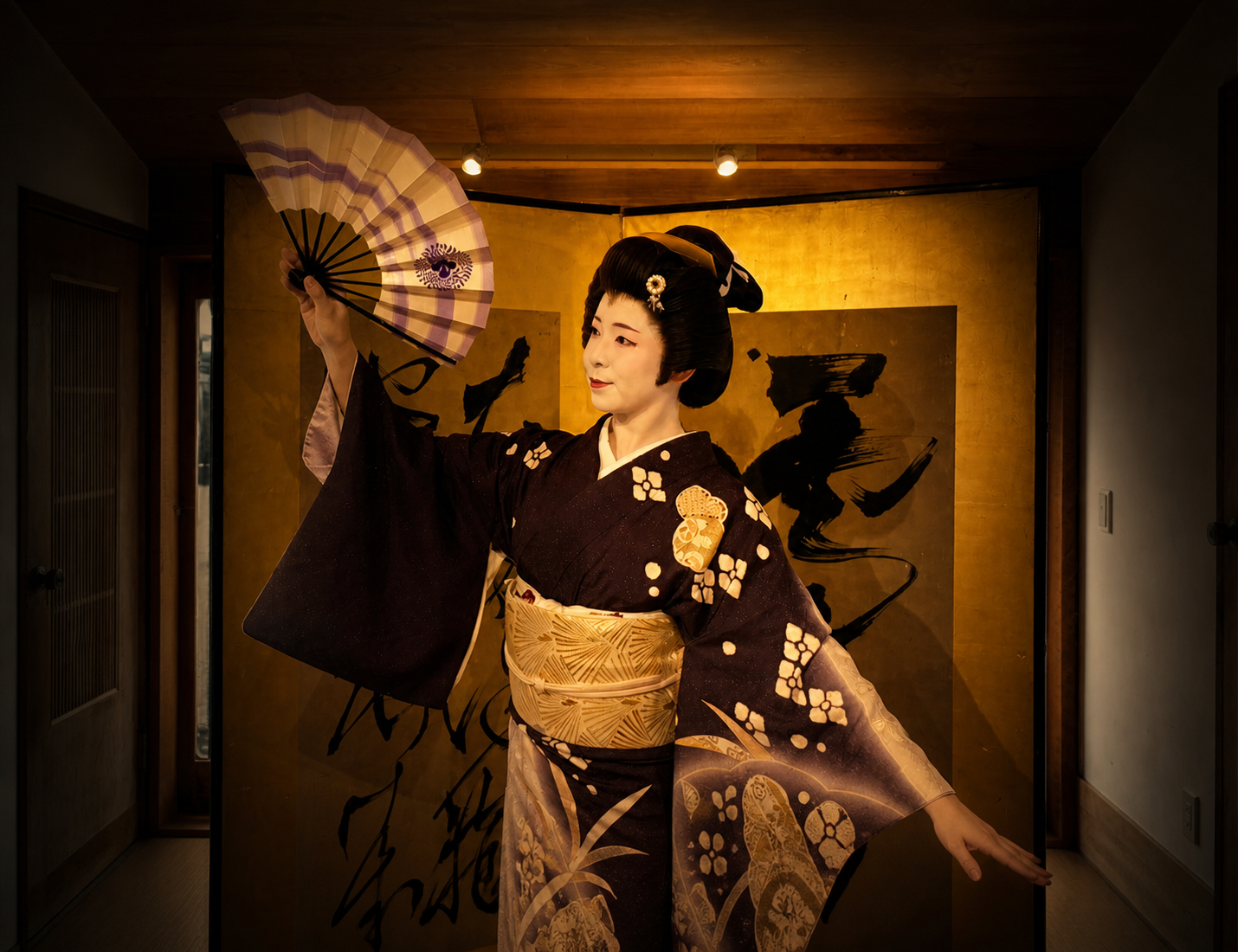
Witness traditional Japanese dance by a real geisha, ask questions, play games, and capture photos
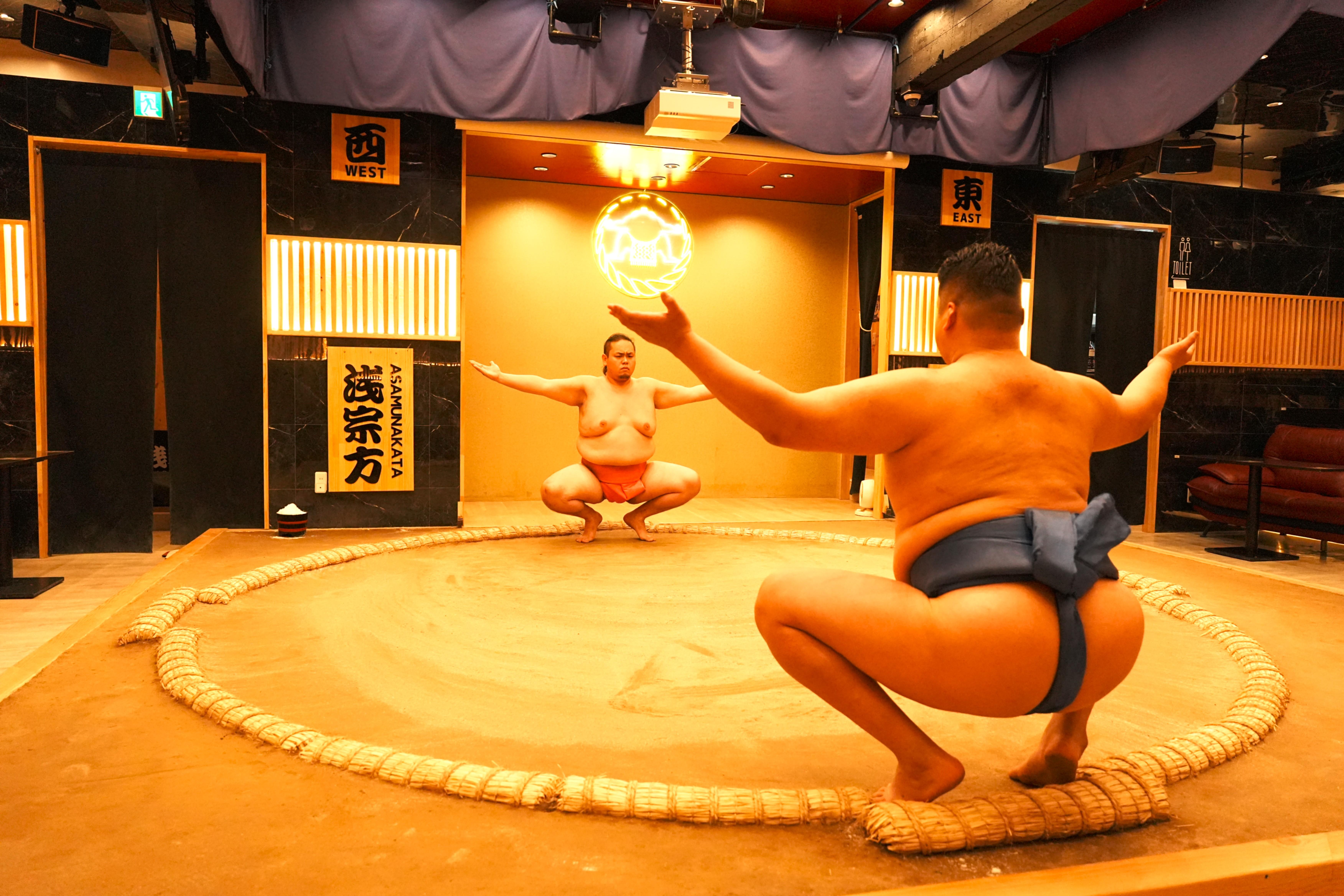
The center of the show where traditional matches occur, featuring authentic clay construction
The elevated viewing area where wrestlers demonstrate their techniques during the sumo experience tokyo asakusa show
A dedicated space to enjoy your chanko meal, served immediately after the show concludes
A performance segment showcasing the daily routines of wrestlers, essential for every sumo experience tokyo asakusa tour
A display of historical items where you can learn about the history behind your sumo experience tokyo asakusa tickets
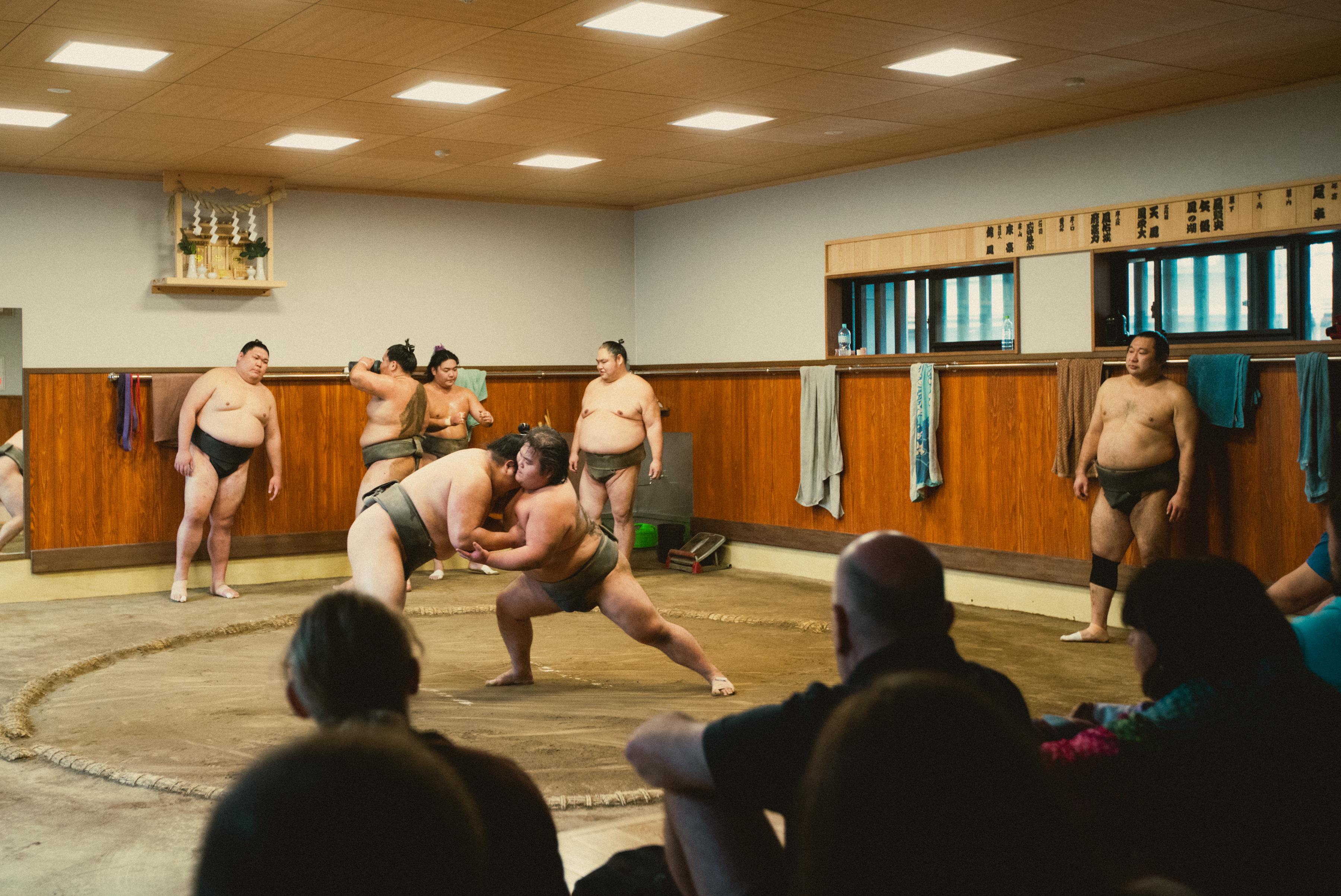
You arrive at the stable entrance on a narrow Asakusa side street, removing your shoes before stepping onto tatami that lines the viewing gallery. The dohyo occupies the centre of the hall, its clay surface scattered with salt from the previous round.
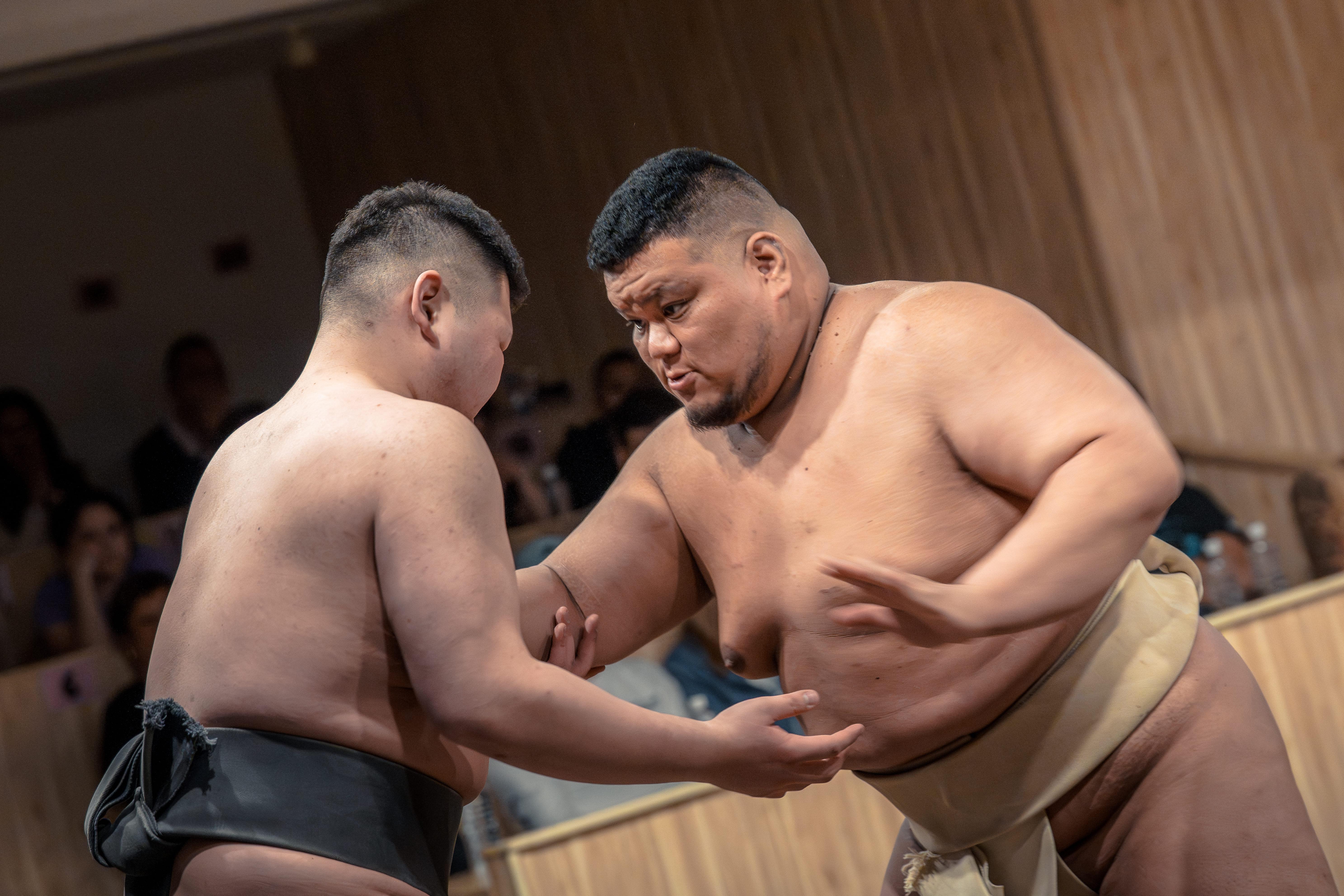
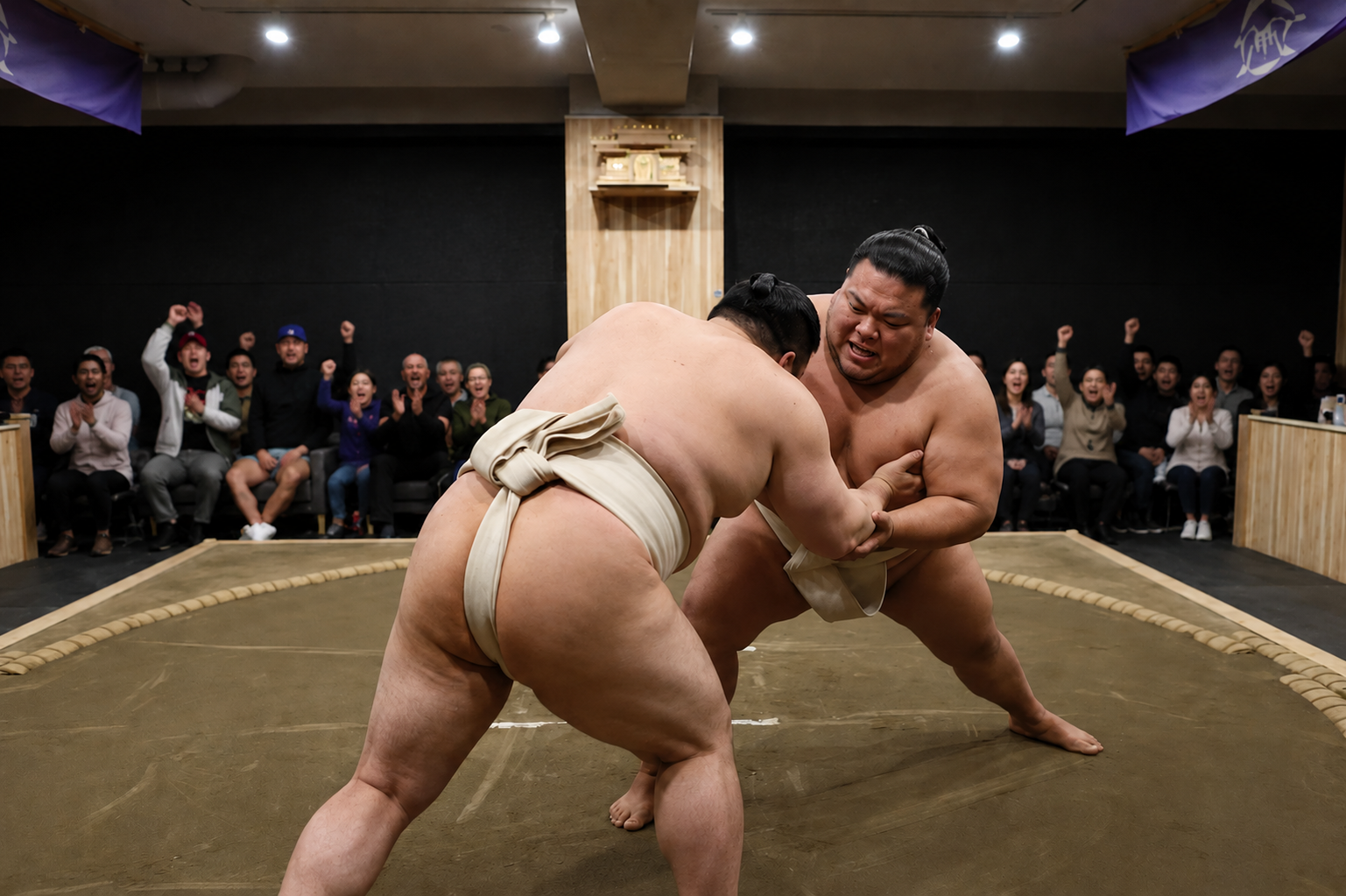
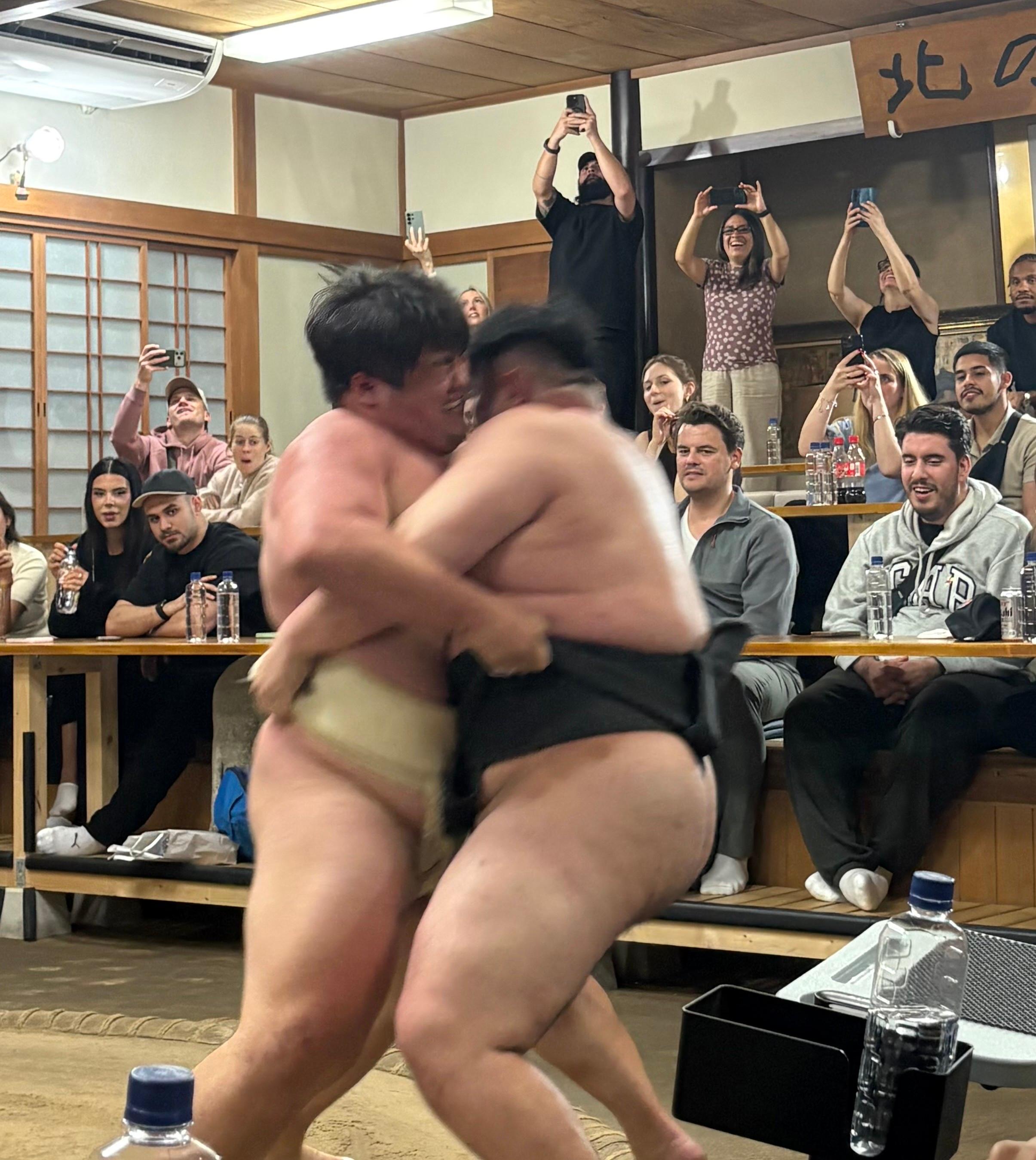
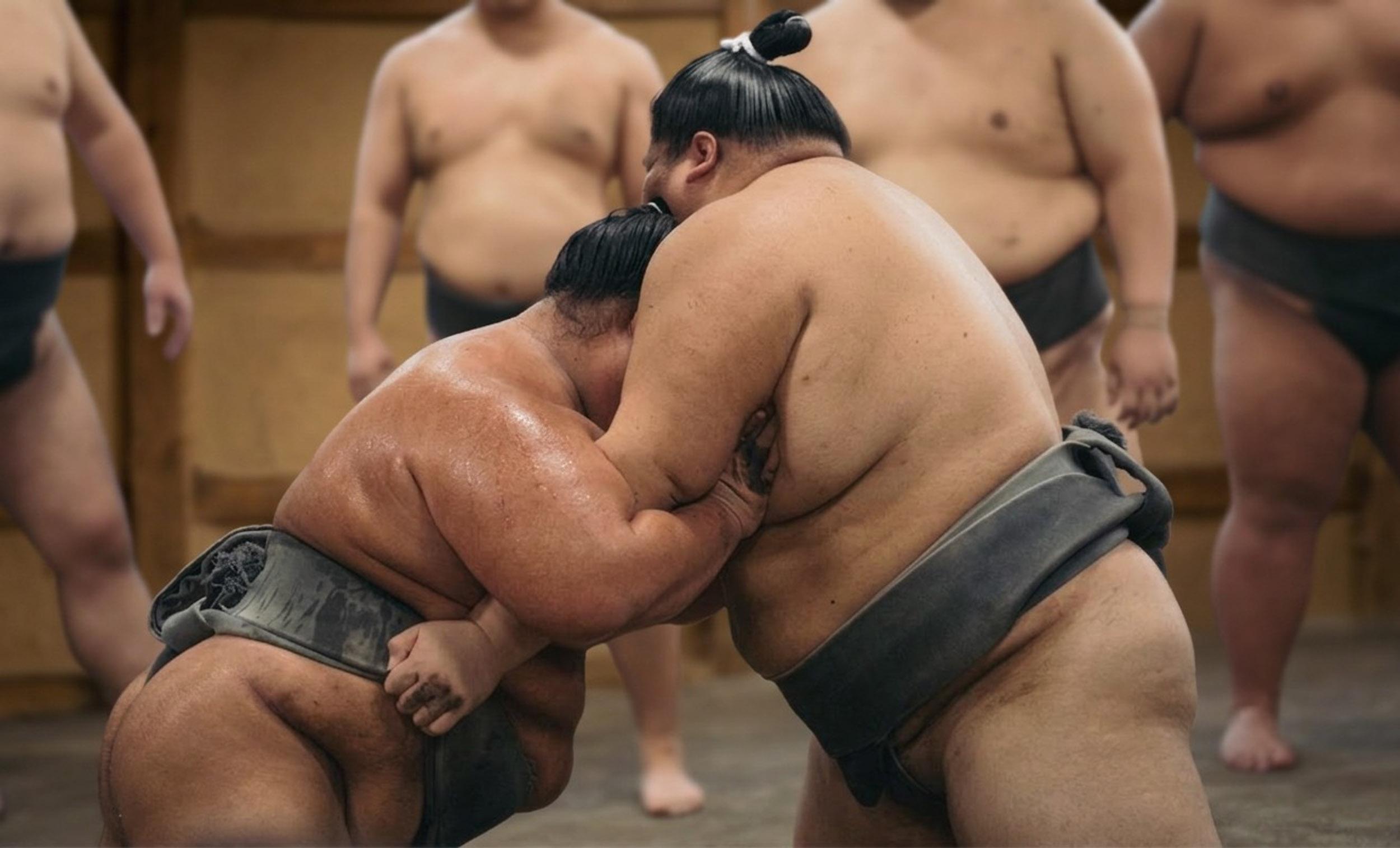
You take a wooden bench along the wall as two rikishi enter the ring, clap once, raise their legs in shiko stomps, and lock into a low crouch. The referee's gunbai war fan drops, and the wrestlers collide with a sound like wet clay striking stone. Thirty seconds later one is driven across the straw bale boundary, and the victor returns to the centre to bow.
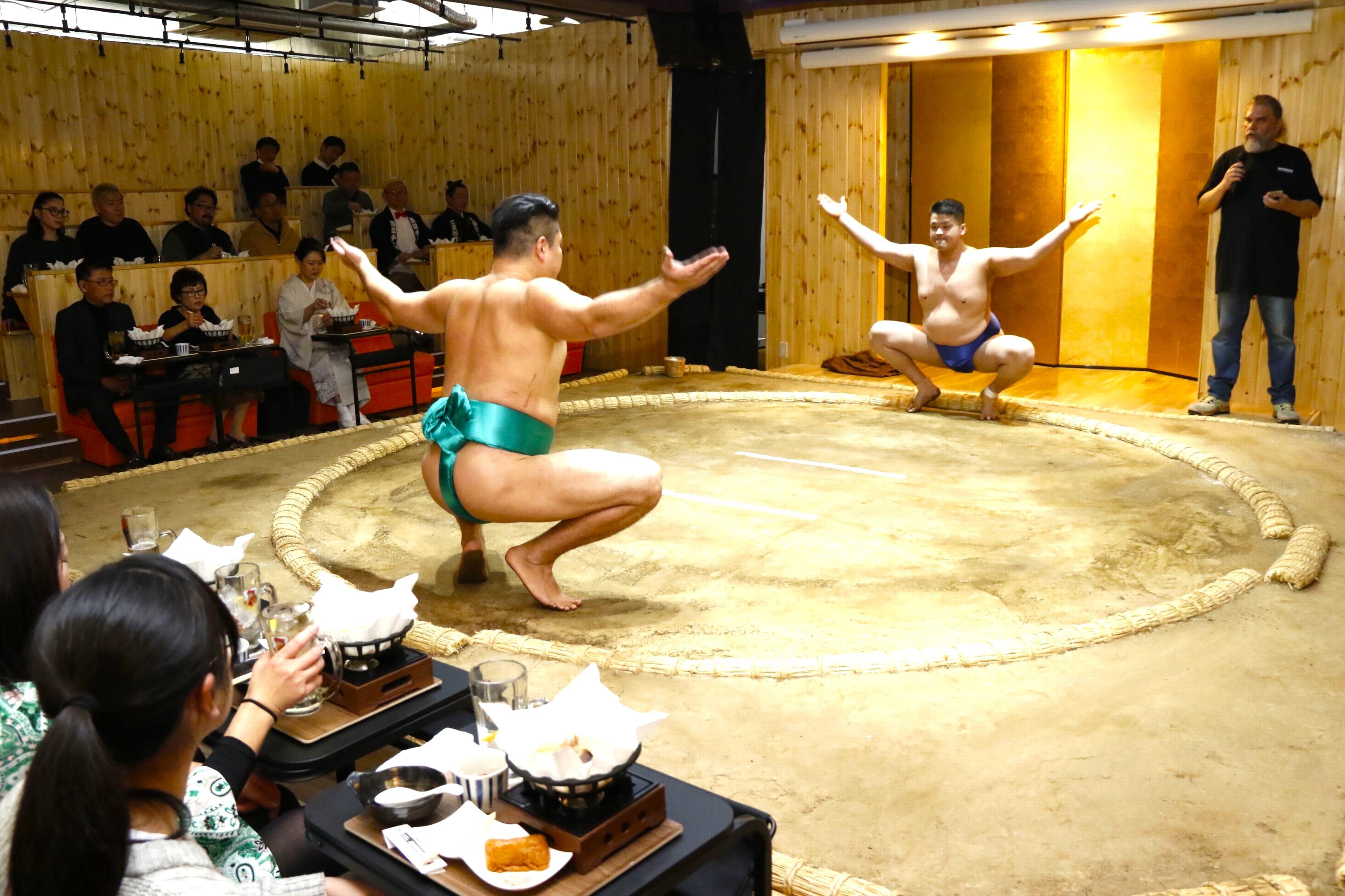
After the final practice bout, you're called to the dohyo. A rikishi twice your width demonstrates the basic tsuki thrust—palm flat, arm extended, weight driving from the back leg—then invites you to attempt it. Your hand meets his chest; he doesn't move. He counters with a light yori push, and you step back across the boundary. Photographs are taken at the dohyo's edge. Later, you sit at a low table as cast-iron pots of chanko arrive: chicken, tofu, mushroom, and leek in a pale broth. You ladle rice into the soup and eat while a rikishi describes the daily caloric load required to maintain 150 kilograms of body weight.
All the details about your upcoming adventure in one place
Asakusa's sumo stables occupy single-story timber halls built to the same specifications used when the Ryōgoku district housed the sport's first dedicated arenas in the 1830s. The dohyo—a clay platform 4.
55 metres in diameter, surfaced with sand and ringed by rice-straw bales—sits at the centre of each training hall, raised 34 to 60 centimetres above the floor to ensure visibility from every angle. Rikishi train here six mornings a week, arriving before dawn to rehearse the same 82 kimarite—winning techniques—that have defined bouts since the Edo period.
A sumo experience Tokyo Asakusa tour grants access to these working stables, where visitors watch morning practice from wooden benches set against the walls. The sessions follow a rigid hierarchy: lower-ranked wrestlers arrive first to sweep the dohyo and prepare the space, while yokozuna and ozeki enter last and train least. Between rounds, spectators observe the preparation rituals—salt purification, leg stomps to drive out malevolent spirits, and the shiko exercise that strengthens hips and thighs. Stables in Asakusa remain smaller than those in Ryōgoku, with rosters of 15 to 25 wrestlers, making it easier to distinguish individual techniques and hear the impact of bodies against clay.
Evening shows in the district's sumo halls combine exhibition matches with participatory elements. Visitors step onto the dohyo in mawashi loincloths to attempt basic throws under a rikishi's guidance, then sit ringside for three to five scripted bouts that demonstrate tsuki thrusts, yori pushes, and uwatenage overarm throws. The format concludes with chanko-nabe, the protein-dense hotpot that fuels wrestlers through training camps. Asakusa's version uses chicken stock—considered lighter than the pork and beef bases favoured in Ryōgoku—and arrives in cast-iron nabe pots large enough to serve tables of eight. The neighbourhood's proximity to Sensō-ji Temple and the Sumida River makes sumo experience Tokyo Asakusa tickets a practical pairing with shrine visits and riverside walks, concentrating three centuries of Edo culture into a single afternoon.
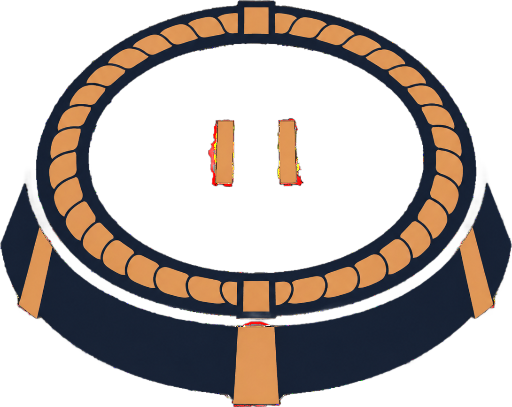
The dohyo sits at the centre of each training hall, raised to ensure visibility from every angle, surfaced with sand and ringed by rice-straw bales built to 1830s specifications.
Casual and comfortable clothing is recommended for your sumo experience tokyo asakusa visit. Avoid loose accessories that could catch during your sumo experience tokyo asakusa tour.
Small bags are permitted, but space is limited at the sumo experience tokyo asakusa venue. Large luggage should be stored at nearby train stations.
Photography is permitted during non-performance segments of your sumo experience tokyo asakusa tickets. Please respect the privacy of the athletes during the ritual segments.
Families are welcome at this sumo experience tokyo asakusa, though children should be supervised. The event is suitable for school-aged children interested in sports.
The venue for your sumo experience tokyo asakusa provides ground-level access to the dining area. Please notify staff in advance of your sumo experience tokyo asakusa tour.
The 16,000 JPY entrance fee includes a traditional chanko meal. Outside food and beverages are not permitted during the sumo experience tokyo asakusa show.
Opening hours
12:00–22:30
Address
1F, 2-10-12, Asakusa, Taito-ku, Tokyo 111-0032, Japan
Accessibility
Full facility access for Sumo experience tokyo asakusa
Arrival
12:00–20:30
Storage
Limited space for sumo experience tokyo asakusa
Navigation
Located in the heart of Asakusa
Free cancellation available for your sumo experience tokyo asakusa booking. Please refer to your confirmation for the specific refund window.
Recommended time
2 hours
Visitors should allocate two hours for the full performance and meal. To enjoy the complete sumo experience tokyo asakusa, ensure you arrive within the recommended window of 12:00–20:30. Securing sumo experience tokyo asakusa tickets in advance helps avoid potential delays, while sumo experience tokyo asakusa tours often see peak attendance during the mid-afternoon.
Crowd levels through the day
Sumo wrestling traces its origins to Shinto ritual, where matches were performed at shrines as offerings to the gods for bountiful harvests and national peace. The earliest recorded bout appears in the Kojiki, Japan's oldest chronicle compiled in 712 CE, describing a contest that determined territorial control. By the Nara period (710–794), sumo had evolved into an annual court ceremony, with wrestlers summoned to the imperial palace each summer. The Kamakura and Muromachi eras saw sumo shift from religious observance to martial training for samurai, who valued the discipline's emphasis on balance, leverage, and explosive power. Professional sumo emerged during the Edo period (1603–1868), when organized tournaments began drawing urban crowds in Osaka, Kyoto, and Edo (modern Tokyo). Asakusa, already a theater and entertainment district surrounding Sensō-ji temple, became a natural venue for sumo exhibitions. Wrestlers formed heya—training stables governed by retired champions—and the hierarchical ranking system still in use today crystallized during this era. The dohyō ring gained its distinctive rope boundary and Shinto purification rituals, including salt-throwing and ceremonial stomping to drive out evil spirits. Sumo's popularity peaked in the late 19th century, when the first permanent arenas were constructed and bouts were formalized under the Japan Sumo Association in 1925. After World War II, sumo faced declining attendance and cultural competition from baseball and Western sports. The 1990s economic downturn further strained traditional stables, prompting some to open their doors to tourists. The sumo experience Tokyo Asakusa format emerged in the early 2000s, offering choreographed demonstrations, chanko-nabe communal meals, and narrated introductions to ritual and rank. Today's Asakusa sumo experiences preserve the sport's ceremonial core while making its techniques and traditions accessible to international visitors in the neighborhood where Edo-era crowds first gathered to watch rikishi compete.
Sumo performed as annual court ceremony at the imperial palace in Nara.
Professional sumo tournaments emerge in Edo-period entertainment districts including Asakusa.
Japan Sumo Association formalizes rules, rankings, and tournament structure nationwide.
Post-war attendance declines as Western sports gain popularity in occupied Japan.
Tourist-focused sumo experiences launch in Asakusa, pairing demonstrations with chanko meals.
Asakusa sumo stable shows integrate English narration and hands-on participation for international guests.
Stand near the edge of the circular clay ring to capture the wrestlers in their mawashi during intense practice bouts. This position offers a direct view of the traditional salt-throwing rituals before the action starts.
Position yourself at the main entry point to capture the traditional noren curtains and the classic exterior of this sumo experience tokyo asakusa location. This provides a clear identification of the professional training facility for your travel documentation.
Capture the authentic meal setting from a low-angle perspective while sitting at the designated dining area. This shot focuses on the traditional hot pot dish served during sumo experience tokyo asakusa tours to highlight the communal aspect of wrestler nutrition.
Utilize the designated photo session space where guests can stand next to the rikishi for a scale comparison. Ensure you have your sumo experience tokyo asakusa tickets ready as this interaction typically takes place after the main demonstrations.
The sumo experience tokyo asakusa provides an engaging, hands-on way for families to explore Japan's national sport in a welcoming setting. This cultural immersion is designed to keep both children and adults entertained through interactive demonstrations and traditional dining.
The program lasts two hours, which includes a lively show followed by a meal; please ensure children are prepared to sit during the performances to fully enjoy this sumo experience tokyo asakusa tour.
The venue is designed for comfort, making it a reliable choice for those seeking a sumo experience tokyo asakusa tickets package that combines a show with a hearty chanko meal.
While suitable for most, the session requires engagement for the full duration; it is an excellent alternative to traditional, more rigid stable visits for families wanting a relaxed sumo experience tokyo asakusa tours environment.
The ticket includes a traditional chanko meal, offering a unique opportunity for families to eat together in a historic atmosphere, serving as a highlight of your visit.
The venue is located in Asakusa, a district well-serviced by public transport and nearby amenities, ensuring a smooth arrival for families traveling with young children.
The most authentic culinary highlight near your sumo experience tokyo asakusa is the traditional chanko-nabe hotpot served directly on-site, a protein-rich dish essential to the wrestler's diet. For those looking to explore the historic neighborhood further, many local eateries offer traditional Japanese cuisine within a short walk from this Tokyo landmark.
Enjoy a nutritious, communal chanko-nabe hotpot prepared by professionals following your sumo experience tokyo asakusa tour.;Asakusa Imahan
Everything you need to know for your journey
The sumo experience tokyo asakusa is open daily from 12:00–22:30.
Standard adult admission for the sumo experience tokyo asakusa is 16,000 JPY.
No, outside food is not permitted as the sumo experience tokyo asakusa ticket includes a chanko meal.
There is no formal dress code, but comfortable clothes are suggested for the sumo experience tokyo asakusa.
Please arrive between 12:00–20:30 to enjoy the full two-hour show and dining experience.
Yes, families are welcome to watch the sumo experience tokyo asakusa show.
You may take photos, but please avoid filming the main performance at the sumo experience tokyo asakusa.
The venue is located at 1F, 2-10-12, Asakusa, Taito-ku, Tokyo 111-0032, Japan.
The 16,000 JPY entrance fee includes the sumo show and a traditional chanko meal.
Join thousands of happy travelers who have discovered this incredible experience
Book Your Experience Now