1 hr 15 min
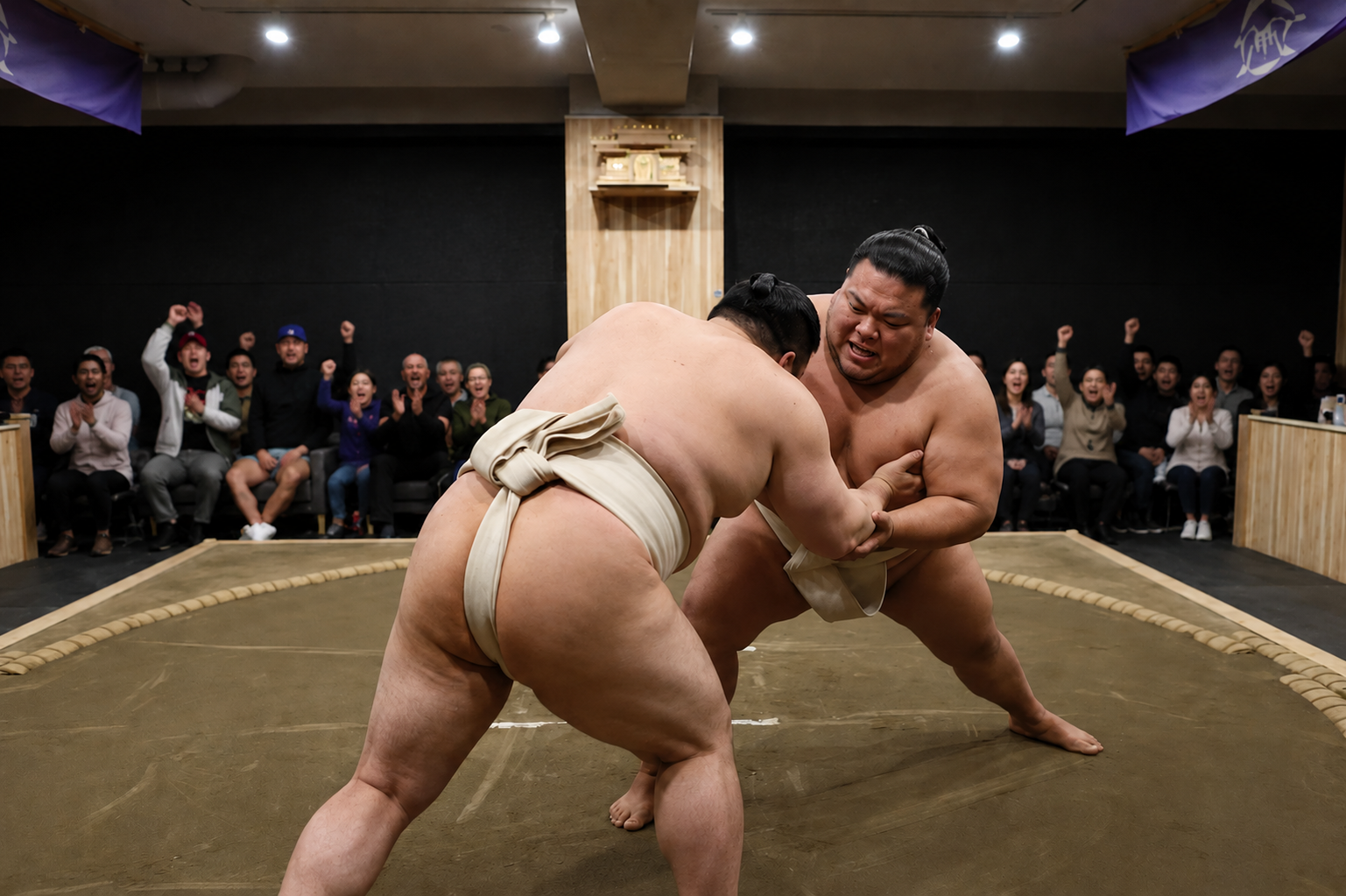
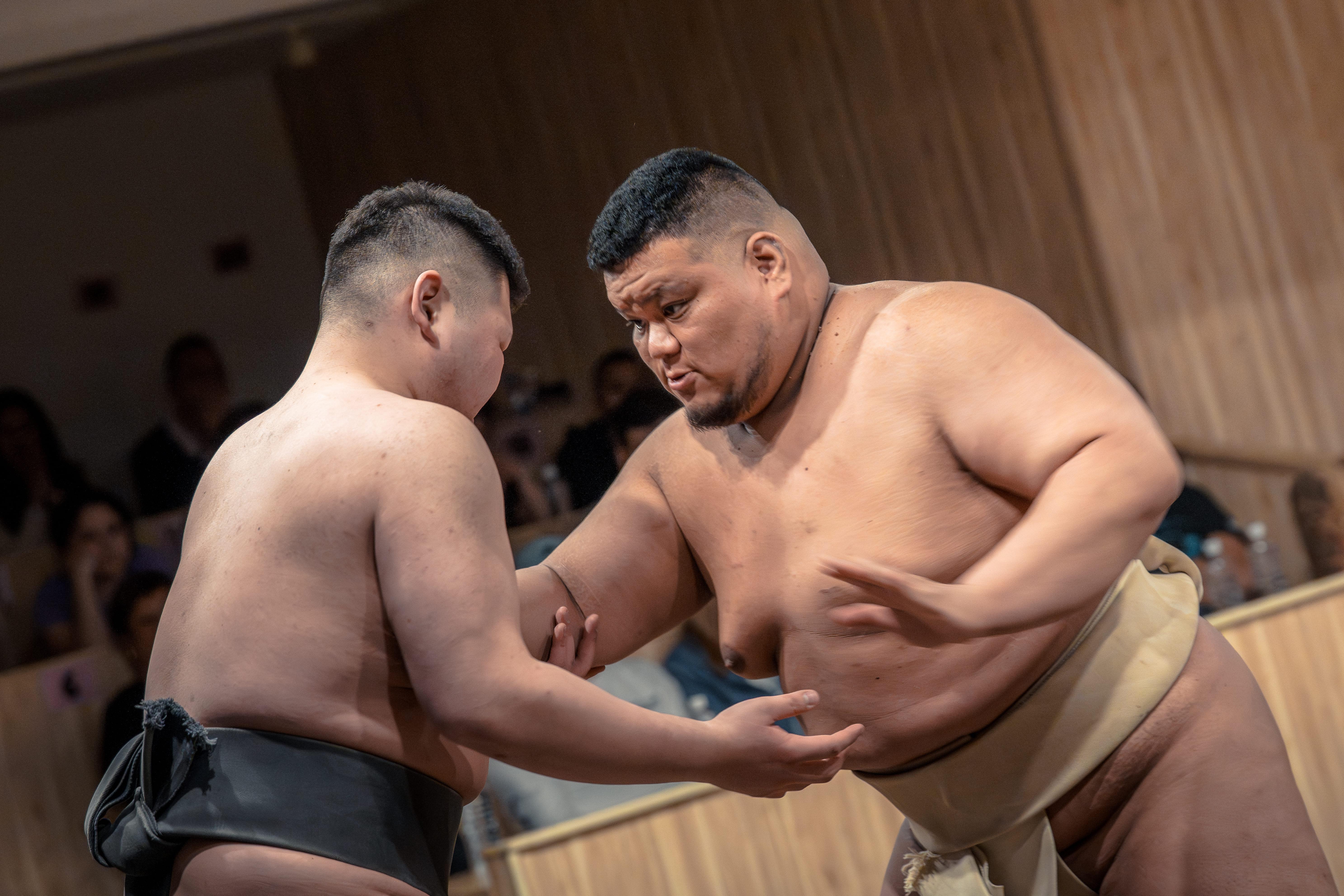
Shibuya Sumo Wrestling Show & Ring Challenge
- Entry ticket
- Mobile voucher
- Valid same day
- Free cancellation
Sumo Practice Experience Tokyo — Morning Stable Access
Witness centuries-old training rituals, silent discipline carves champions at dawn
Compare fares, pick the fit — all bookings are mobile-voucher and eligible for free cancellation where shown.
1 hr 15 min
1 hr 30 min
2 hr
| Experience | Duration | Rating | Lunch | Free cancel. | Price | |
|---|---|---|---|---|---|---|
|
Standard Entry
Most popular
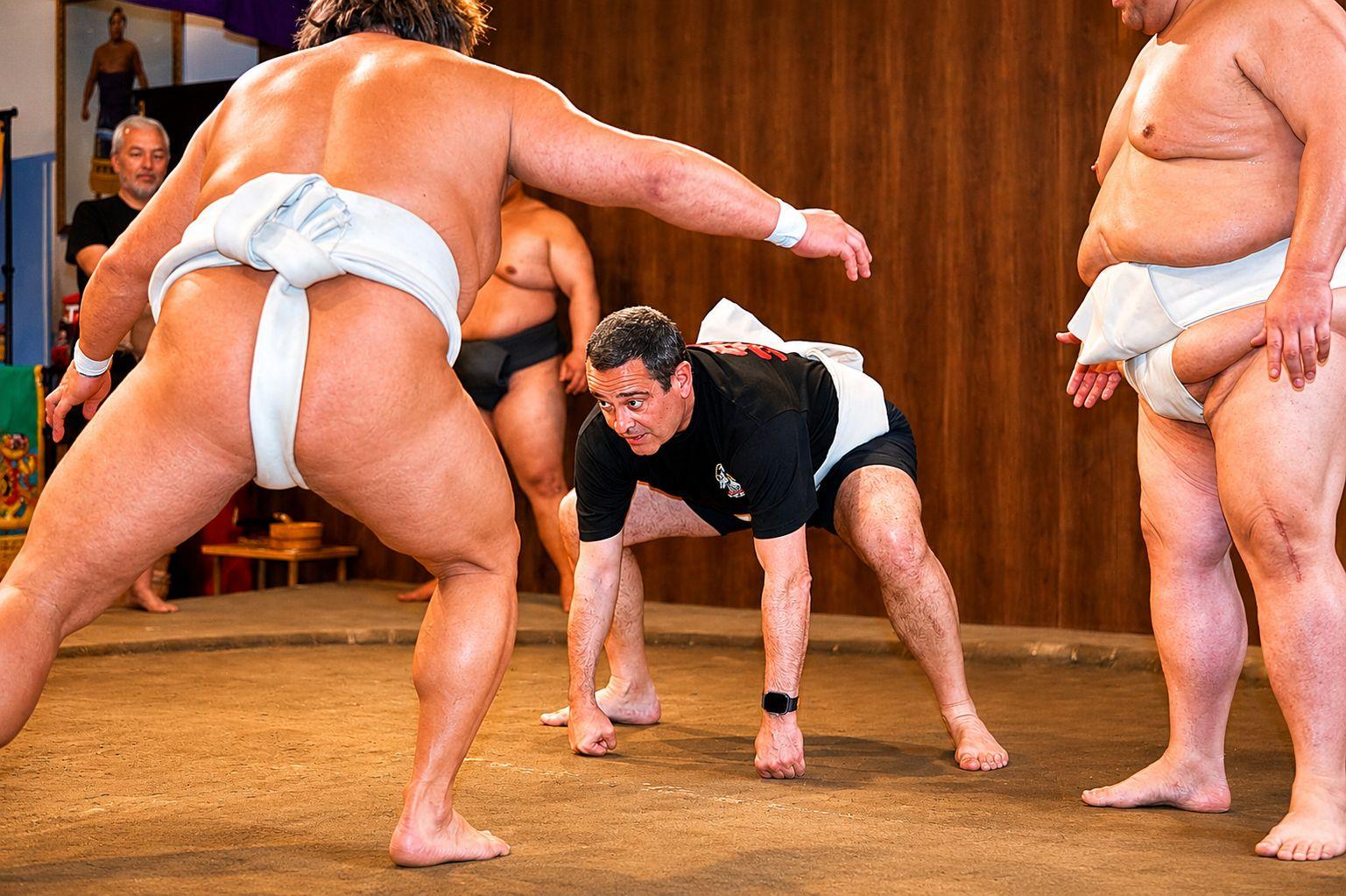
Shibuya Sumo Wrestling Show & Ring Challenge
|
1 hr 15 min | ★ 5.0 | — | ✓ | €46 | Book → |
|
Standard Entry
Shinjuku Sumo Demonstration & Challenge Experience
|
1 hr 30 min | ★ 4.9 | — | ✓ | €28 | Book → |
|
Standard Entry
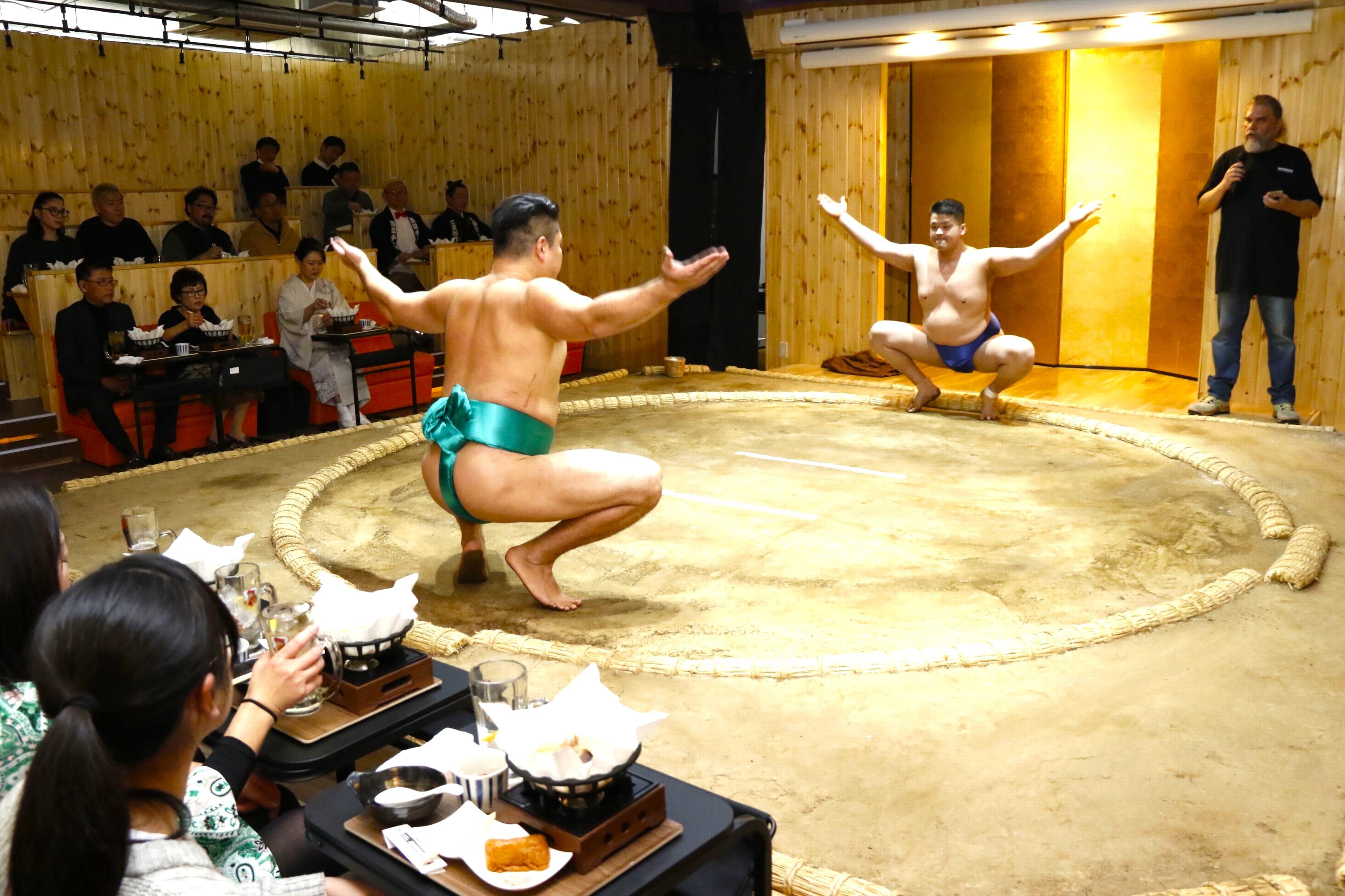
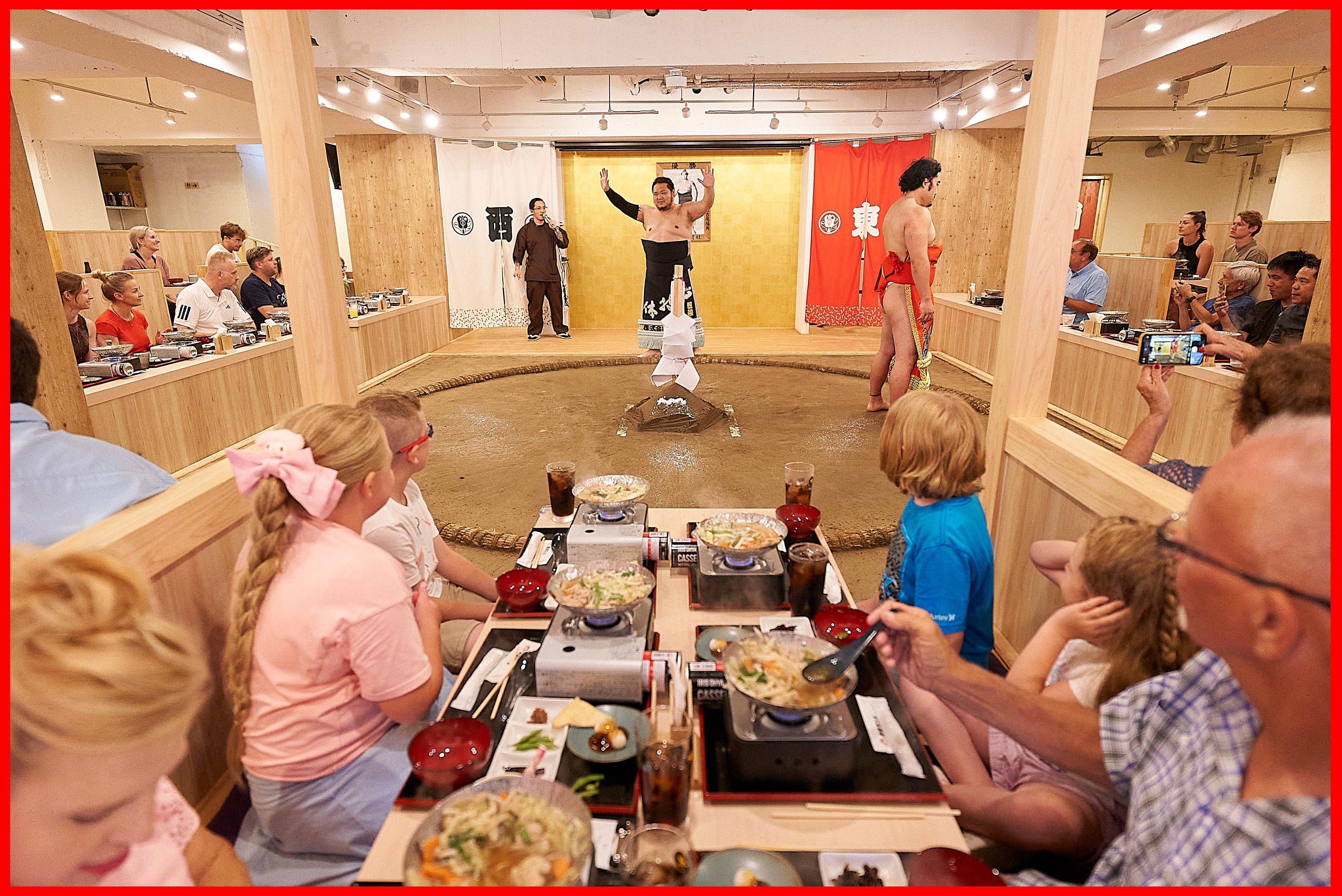
Sumo Wrestling Show with Chanko Hot Pot & Geisha Performance
|
2 hr | ★ 4.8 | ✓ | ✓ | €90 | Book → |
Worth it for cultural immersion seekers
The sumo.practice experience tokyo offers exceptional value when you understand what you're getting. Free admission to stable morning practice sessions lets you watch rikishi train from 07:30–09:30 at venues like Arashio stable, though space is limited and silence is mandatory. Guided visits with English commentary (typically ¥8,000–¥12,000) add context about training rituals, hierarchy, and the chanko-nabe diet that fuels these athletes. Demonstration experiences with ring challenges and hot pot meals (¥15,000–¥20,000) shift from observation to participation. The morning practice visits deliver the most authentic glimpse into the sumo world—watching sekitori rehearse throws and junior wrestlers scrub floors reveals the discipline behind Japan's national sport. Interactive shows in Shibuya and Shinjuku trade authenticity for accessibility, ideal if tournament tickets sold out or you want hands-on time in the ring. Skip the sumo.practice experience tokyo tours if you only want a photo op; the value lies in witnessing centuries-old training traditions, not entertainment spectacle.
Bottom line: Book a guided stable visit or interactive experience if you want depth beyond watching sumo on a screen—the access to training culture and wrestler traditions justifies the cost for anyone serious about understanding Japan's ancient sport.
Observing a morning session at a stable provides a raw, disciplined look at the sport, whereas commercial shows offer a curated sumo.practice experience tokyo tour designed specifically for visitors.
|
Top pick Stable Practice |
Commercial Shows | |
|---|---|---|
| Atmosphere | Disciplined and silent | High-energy entertainment |
| Accessibility | Open viewing area | Ticketed reserved seating |
| Interaction level | Strictly observational | Engaging and interactive |
| Authenticity | High cultural reality | Staged exhibition format |
| Setting | Working training facility | Dedicated performance venue |
| See tickets & prices |
Verdict: Choose the stable to witness the rigorous keiko training regimen, or opt for sumo.practice experience tokyo tours when seeking an English-friendly, structured narrative of sumo.practice experience tokyo tickets.
Hand-picked experiences loved by thousands of travelers
1 hour 30 minutes
Free Cancellation
Step inside an authentic sumo training facility and witness wrestlers prepare for competition in Ryogoku
2 hours
Free Cancellation
Step inside a working sumo stable and watch professional wrestlers train in this ancient martial art
2 hours
Free Cancellation
Get ringside with real sumo wrestlers, savor traditional chanko nabe, and step into the ring yourself
3 hours
Free Cancellation
Step inside a real sumo stable for live training, expert commentary, and rare access to Japan's national sport
1 hour
Free Cancellation
Hands-on rikishi training in central Tokyo—learn authentic moves from a retired top-division athlete
2 hours
Free Cancellation
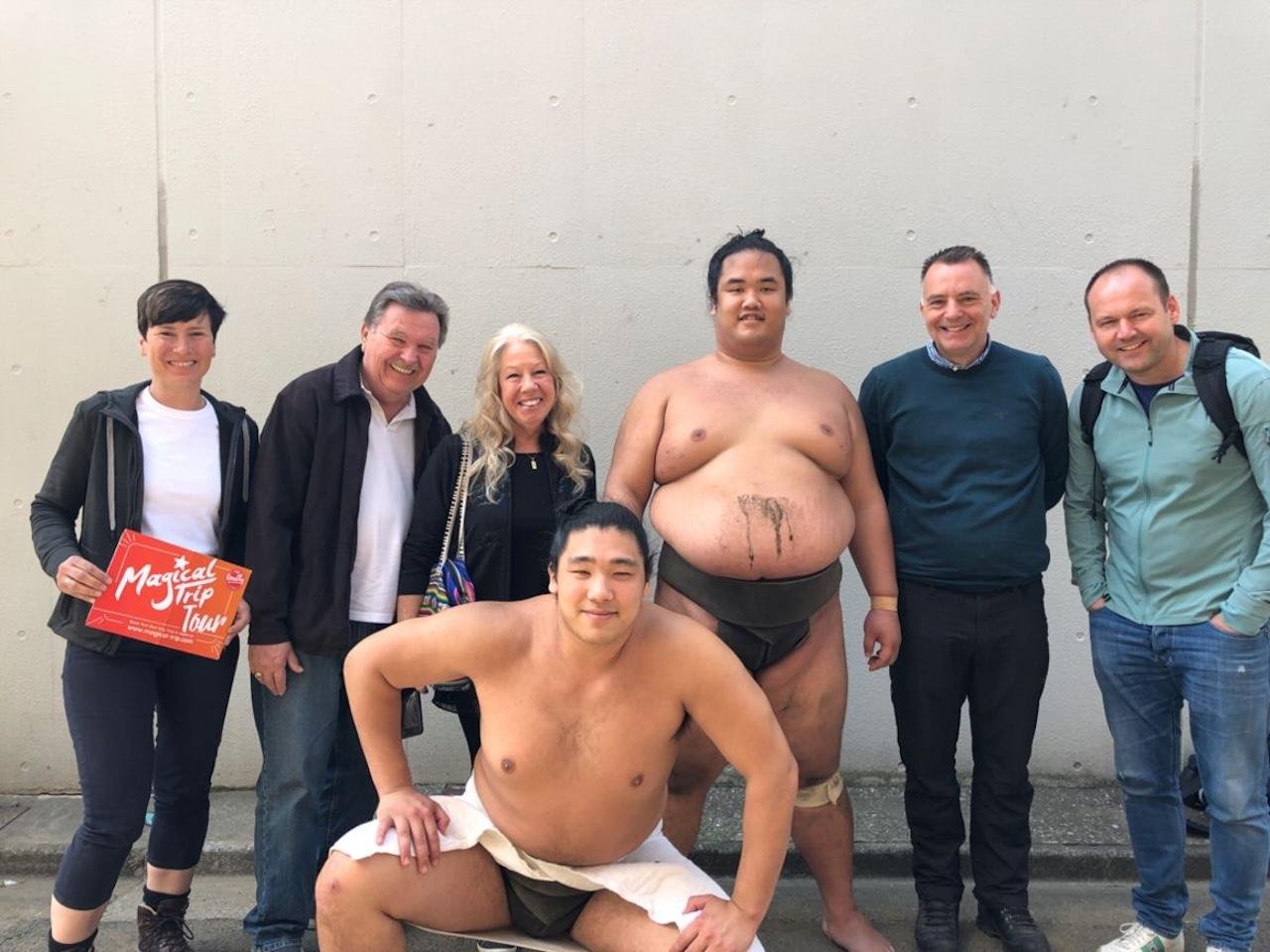
Watch authentic sumo training up close at a real stable, then meet the wrestlers for photos
2 hours
Free Cancellation
Watch elite wrestlers train at a private stable, then step into the ring yourself for a rare hands-on encounter.
1 hour 30 minutes
Free Cancellation
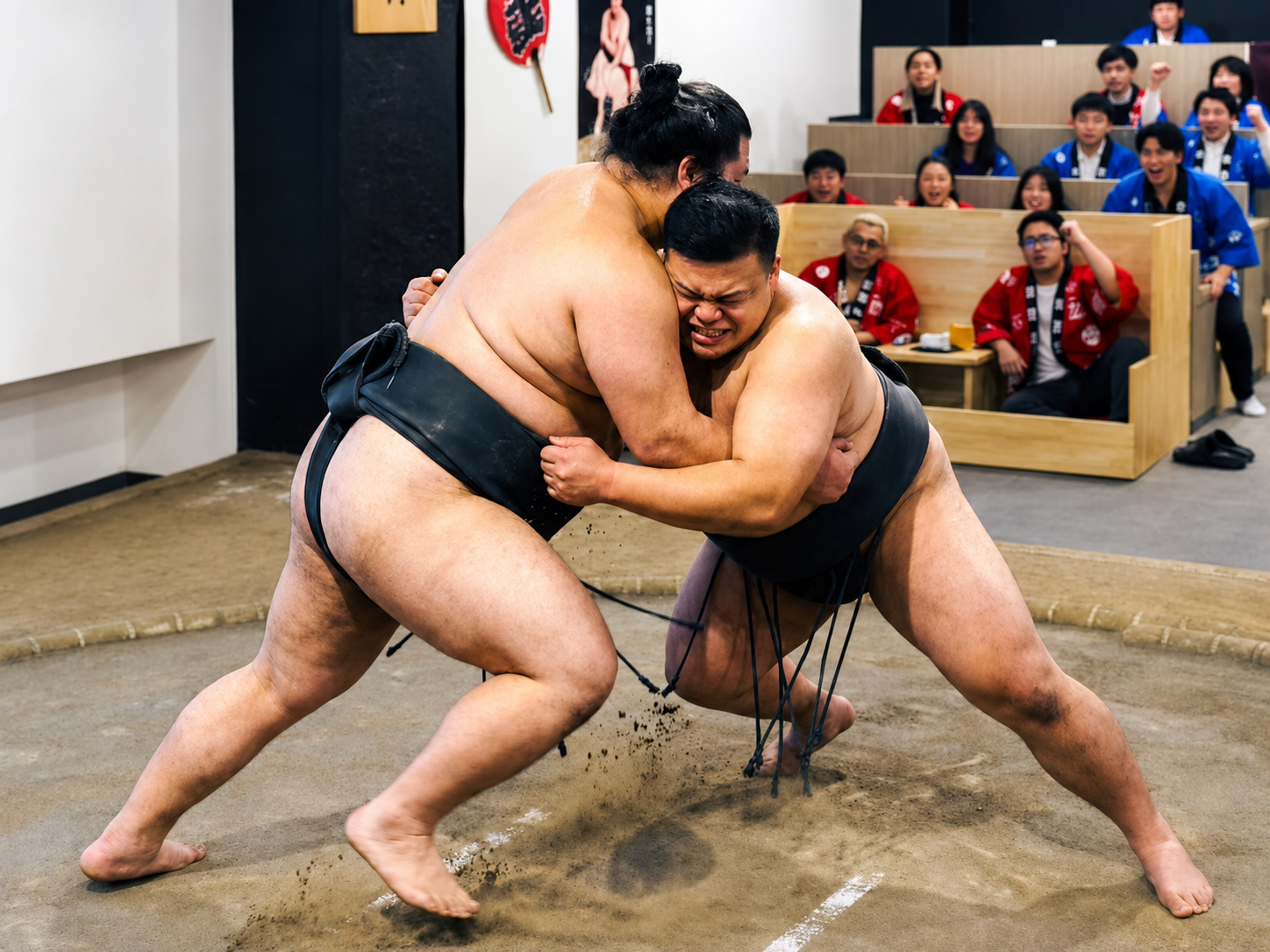
Watch retired professional sumo wrestlers perform live bouts and rituals in central Tokyo
Arrive early between 07:30 and 09:00 for the best views.
Observe the daily training from the designated sidewalk area.
Walk towards nearby Nihombashi area.
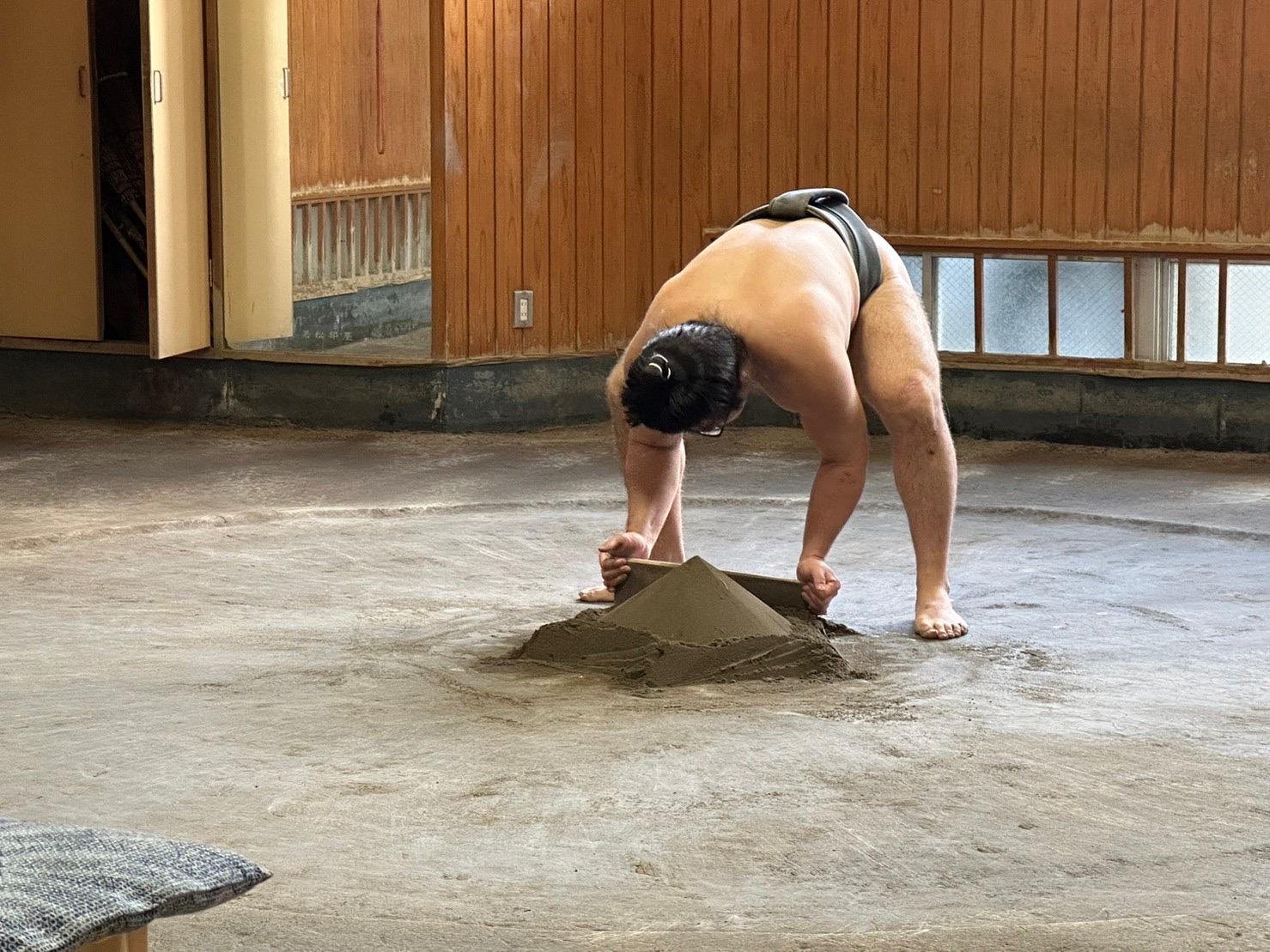
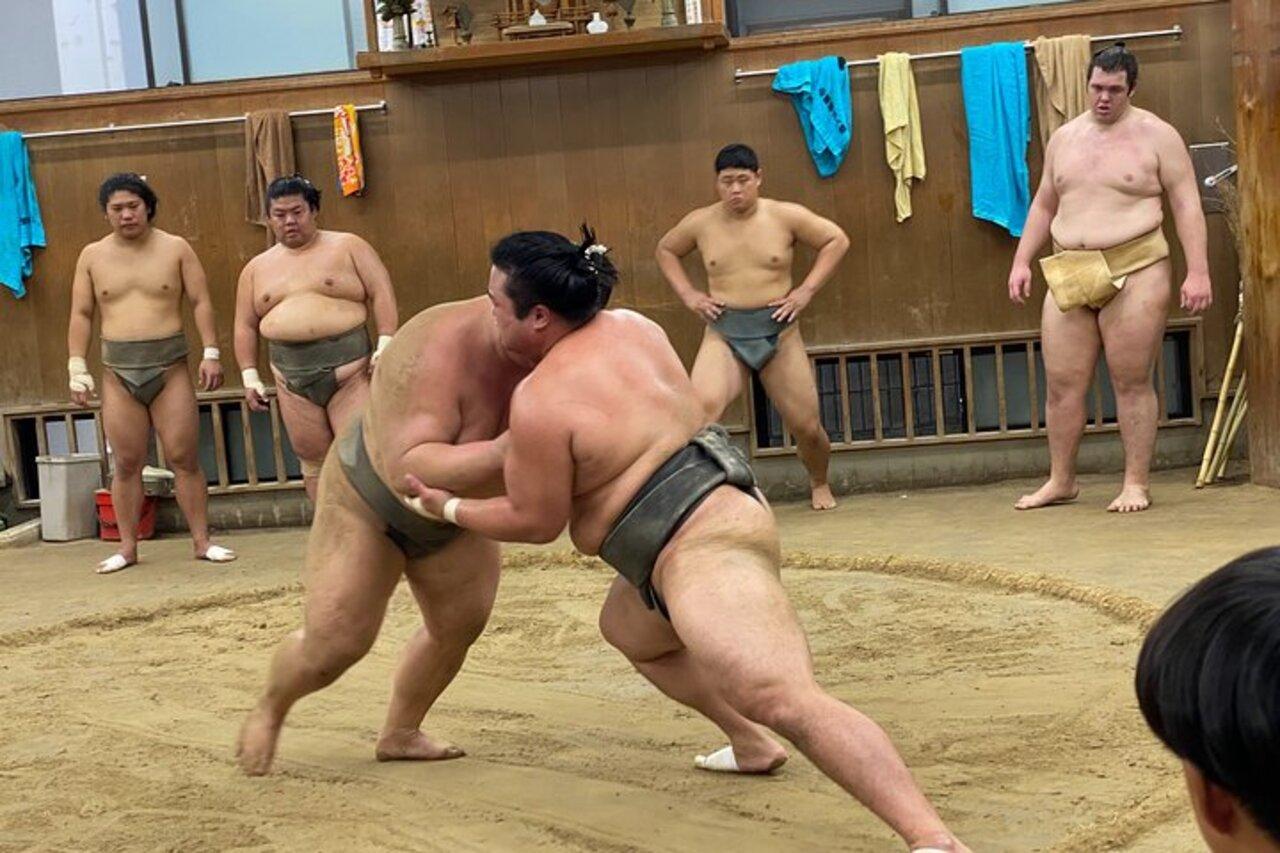
The sacred clay ring where practitioners engage in intense training drills.
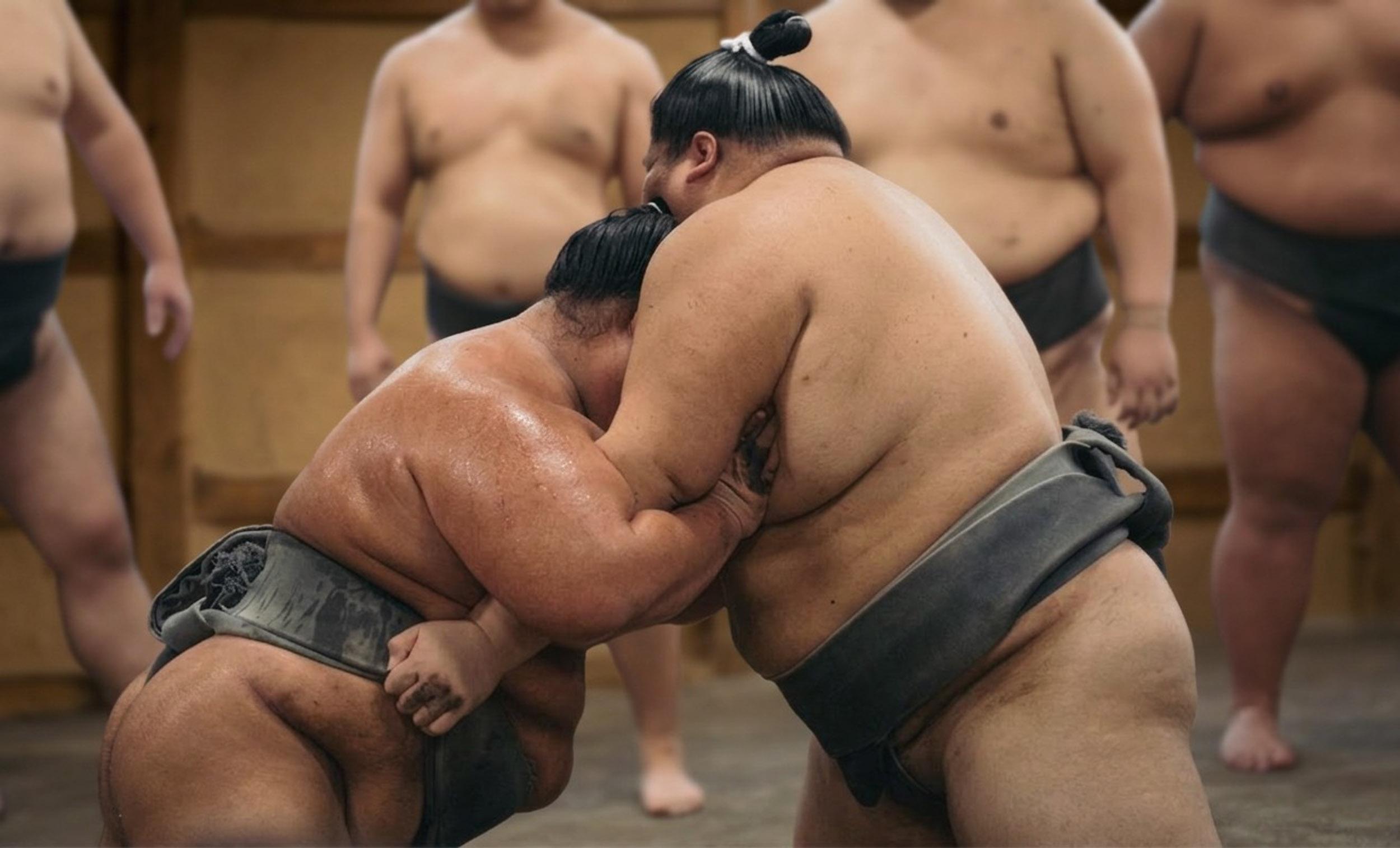
Daily morning drills showcase the physical discipline of sumo wrestlers.
Athletes train in traditional mawashi belts during the sumo.practice experience tokyo.
The site offers a rare glimpse into the insular world of professional sumo.
Observe the rigorous strength and flexibility exercises integral to sumo.practice experience tokyo.
You arrive at the Arashio stable entrance on Nihonbashi Hamacho's residential block just after 07:30, removing your shoes and stepping into a narrow genkan. A stable attendant gestures you toward the observation gallery — a raised platform with folding chairs positioned behind a low wooden railing.
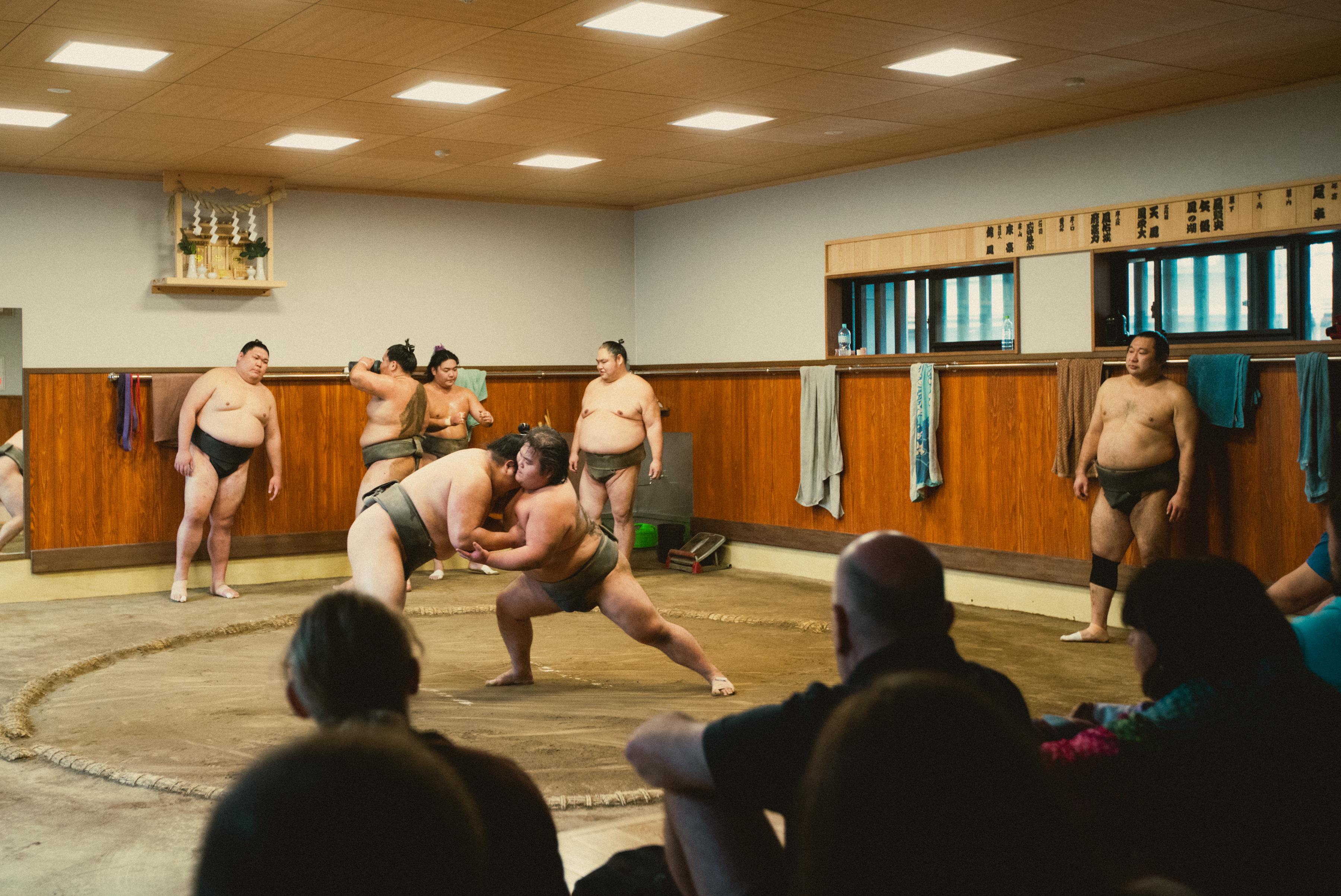
Below, eight rikishi in mawashi belts circle the dohyo, performing shiko: each lifts his leg waist-high, holds the pose for two seconds, then drives the sole into the clay with enough force to make the floorboards vibrate.
The session intensifies. Two senior wrestlers take the ring for butsukari-geiko. One plants his feet in defensive stance while the other charges repeatedly, driving his shoulder into the opponent's chest, resetting, charging again. No words are exchanged. After twenty collisions, they switch roles. Junior wrestlers watch from the perimeter, waiting their turn. You notice the oyakata seated cross-legged near the dohyo's edge, observing posture and foot placement, occasionally calling out a single-word correction in Japanese.
By 09:00, the pace slows. Wrestlers cool down with stretching routines, then bow toward the dohyo before filing out to the changing area. The entire ritual unfolds without audience acknowledgment — you are present but invisible, a witness to preparation rather than performance. You leave before the chanko meal begins, the morning's silence still ringing in your ears.
All the details about your upcoming adventure in one place
The Arashio stable opens its doors at 07:30 six mornings a week, permitting visitors to observe asageiko — the dawn training ritual that shapes every professional rikishi from apprentice to yokozuna.
Founded in 1994 by former sekiwake Arashio Oyakata, the stable occupies a modest two-story structure in Nihonbashi, a district better known for financial towers than centuries-old sports traditions. Yet inside, the dohyo clay has been stamped smooth by the same choreography that governed Edo-era wrestlers: repetitive shiko leg stomps, teppo post-slapping drills, and full-contact butsukari-geiko collision training.
The morning session follows an unwritten hierarchy. Junior wrestlers arrive before dawn to sweep the practice hall and prepare the ring. Senior rikishi enter last, and when an ozeki or yokozuna steps onto the clay, junior wrestlers pause mid-drill and watch from the perimeter in silence. No music plays. No announcer narrates. The only sounds are flesh meeting flesh, controlled breathing, and the oyakata's occasional bark of correction. This is the sumo practice experience Tokyo stables guard most carefully — not performance, but labor.
Arashio stable has produced multiple makuuchi-ranked wrestlers, including Arashio himself, who competed in the top division for six years before retirement. The training philosophy emphasizes foundational technique over spectacle. Visitors observe from a designated gallery behind a waist-high barrier, prohibited from speaking, photographing, or entering the dohyo area. The stable's location in Chuo-ku places it within walking distance of Tokyo Station and Ningyocho subway, yet the neighborhood remains quiet enough that the thud of wrestlers hitting the clay carries into the street.
Sumo practice experience Tokyo tours pair stable visits with cultural context — guides explain rank insignia, training cycles, and the chanko-nabe communal meals that follow morning sessions. Independent visitors pay no entrance fee but must observe silently and leave before 09:30, when the oyakata closes the session and wrestlers begin their meal preparation. The experience requires neither athleticism nor prior knowledge, only respect for a training environment where every gesture carries three centuries of precedent.
The only sounds are flesh meeting flesh, controlled breathing, and the oyakata's occasional bark of correction.
Casual and comfortable clothing is appropriate for viewing the sumo.practice experience tokyo.
There is no storage space available at this sumo.practice experience tokyo location, so please travel light.
Photography is permitted during the sumo.practice experience tokyo, provided you do not use flash or disrupt the athletes.
Families are welcome to observe the sumo.practice experience tokyo, but silence must be maintained at all times.
The viewing area for this sumo.practice experience tokyo is street-level and relatively accessible.
Food and beverages are not allowed while observing the sumo.practice experience tokyo.
Opening Hours
07:30–09:30
Address
2-47-2 Nihombashihamacho, Chuo-ku, Tokyo 103-0007, Japan
Entry
0 JPY
Arrival
07:30–09:00
Restrictions
No storage available
Website
https://arashio.net
Public transport · 10 min · 180-220 JPY
Take the Toei Shinjuku Line to Hamacho Station. The stable is a short walk from the station exit.
As entry is free for independent observers, there is no booking fee to cancel. Visitors are encouraged to check the official schedule for any sudden changes.
Recommended time
1-1.5 hours
Planning a sumo.practice experience tokyo requires precision because sessions occur strictly between 07:30–09:30. Visitors should aim for the 07:30–09:00 window to observe the wrestlers' intense morning routines, while those seeking sumo.practice experience tokyo tours often find that arriving early allows for a more contemplative view of the ring. As these sessions are free, crowds increase as the morning progresses, so early arrival helps avoid congestion near the designated viewing areas. Since this Tokyo sumo stable practice experience is a live training environment, the flow of the morning remains consistent until the stable concludes its daily training.
Crowd levels through the day
Weather · crowds · average price — dots go green to amber to red as each metric rises.
March through May offers mild temperatures for viewing the sumo.practice experience tokyo in comfort.
June to August can be humid, so arrive early to avoid the peak heat during your sumo.practice experience tokyo tour.
September to November provides crisp air and pleasant conditions for observing the sumo.practice experience tokyo.
December to February is cool, requiring warm layers while waiting outside for the sumo.practice experience tokyo.
Arrive between 07:30 and 09:00 to secure a spot for the sumo.practice experience tokyo.
Quiet observation is mandatory to respect the wrestlers during the sumo.practice experience tokyo.
Verify the sumo.practice experience tokyo status on the official site before departing.
Arashio-beya traces its lineage to 1961, when former sekiwake Arashio Daitarō established the stable in Tokyo's Kōtō Ward. The stable relocated to Nihombashi Hamacho in 1966, embedding itself in a merchant district where Edo-period commerce once thrived. The neighborhood's narrow lanes and wooden machiya remnants provided an unlikely setting for a traditional heya, yet the stable's presence reinforced Nihombashi's claim as a keeper of old Tokyo crafts and customs. By the 1980s, urban redevelopment threatened the stable's footprint. Arashio-beya resisted demolition through a coalition of neighborhood preservationists and sumo.practice experience tokyo advocates who argued that the morning keiko sessions constituted living heritage distinct from museum displays. The stable gained international attention in 1992 when it became one of the first to permit structured observation by non-Japanese visitors, a decision that divided the sumo establishment. Critics warned that foreign spectators would dilute the ritual integrity of training; proponents noted that transparency could sustain public funding as sumo viewership declined. Arashio-beya implemented strict protocols: silent observation from a designated viewing area, no photography during bouts, and mandatory briefings on dohyo etiquette. The model influenced other stables to formalize their own sumo.practice experience tokyo tours, standardizing what had been informal arrangements. Today the stable occupies a reinforced structure completed in 2003, designed to meet seismic codes while preserving the elevated dohyo and open training hall layout. The morning sessions retain the apprenticeship hierarchy established in the Edo period: junior rikishi arrive before dawn to prepare the clay ring, and bouts proceed in strict rank order. The survival of Arashio-beya in central Tokyo represents a compromise between preservation and accessibility, one that allows visitors to witness the physical and social architecture of sumo training without requiring them to navigate the closed networks that govern stable membership.
Former sekiwake Arashio Daitarō founds the stable in Kōtō Ward, Tokyo.
The stable relocates to Nihombashi Hamacho, a historic merchant quarter in Chuo-ku.
Urban redevelopment pressures mount; local preservationists rally to protect the stable's site.
Arashio-beya becomes one of the first stables to permit structured foreign observation of morning training.
A seismically reinforced training hall opens on the original Hamacho site, preserving the traditional dohyo layout.
The stable formalizes visitor protocols and partners with cultural tourism initiatives to sustain operations.
Stand directly on the sidewalk outside the stable to capture the rikishi through the large ground-floor window. This is the primary vantage point for your sumo.practice experience tokyo documentation.
Position yourself at the corner of the intersection to photograph the stable's entrance while maintaining a respectful distance. This angle provides a clean view of the traditional layout for those booking sumo.practice experience tokyo tours.
This spot allows for a wider framing of the stable building relative to the surrounding Nihombashihamacho neighborhood architecture. It is ideal for contextual shots before joining your sumo.practice experience tokyo tour.
Capture the structural details of the training facility from the public access path without obstructing the view of others. Visitors observing the morning training session often use this quiet area to secure sumo.practice experience tokyo tickets for future viewing.
Observing the sumo.practice experience tokyo at Arashio stable offers families a unique, low-pressure window into professional training. This quiet street-side viewing allows children to witness the intensity of the sport while maintaining the flexibility to come and go as needed.
The viewing area is on a public sidewalk, so compact strollers are best to avoid blocking the path for other pedestrians. You can easily fold your stroller if the area becomes crowded during peak morning hours.
While there is no strict age limit for street-side observation, the experience is best suited for school-aged children who can remain quiet for short periods. Toddlers may find the lack of seating challenging, so be prepared to hold them.
There are no public toilets or baby-change facilities at the stable itself. Please plan to use public restrooms at nearby stations or local shops before you arrive for your sumo.practice experience tokyo tour.
Arashio stable practice typically runs from 07:30–09:30, but you can choose how long to stay. Arriving during the 07:30–09:00 window gives you the best chance to see the wrestlers in action without a long wait.
Remind children that this is a place of serious work and professional discipline. Please maintain silence, avoid flash photography, and do not eat or drink while observing to respect the training environment.
The streets near the sumo.practice experience tokyo location in Nihonbashi Hamacho offer various dining spots for those who have completed their morning stable visit. You will find several comfortable eateries within a short walk of this traditional training ground, perfect for refueling after observing a local sumo.practice experience tokyo tour.
A friendly all-day dining spot perfect for coffee or a hearty lunch after your sumo.practice experience tokyo tickets usage. They feature fresh-baked goods and grilled cuisine in a relaxed atmosphere.;Tamahide Poultry Restaurant
Everything you need to know for your journey
The stable is open Monday to Saturday from 07:30–09:30, and closed on Sunday.
No, the entrance fee is 0 JPY for independent observers at the sumo.practice experience tokyo.
Independent observation does not require sumo.practice experience tokyo tickets as it is open to the public.
The attraction is located at 2-47-2 Nihombashihamacho, Chuo-ku, Tokyo 103-0007, Japan.
Yes, photography is permitted at the sumo.practice experience tokyo provided it is non-disruptive.
Families are welcome to view the sumo.practice experience tokyo, provided children remain quiet.
The best arrival window is 07:30–09:00 to ensure you see the training session.
No, consumption of food or drink is prohibited at the sumo.practice experience tokyo.
The viewing area for the sumo.practice experience tokyo is at street level and generally accessible.
You can reach the stable by taking the Toei Shinjuku Line to Hamacho Station.
A spacious green area perfect for a post-viewing walk.
A historic theatre known for traditional Japanese performances.
The historic center point of Japan's road network.
Modern boutique hotel located in the same neighborhood.
Conveniently located for commuters and travelers.
Various lodging options ranging from luxury to budget.
Join thousands of happy travelers who have discovered this incredible experience
Book Your Experience Now